
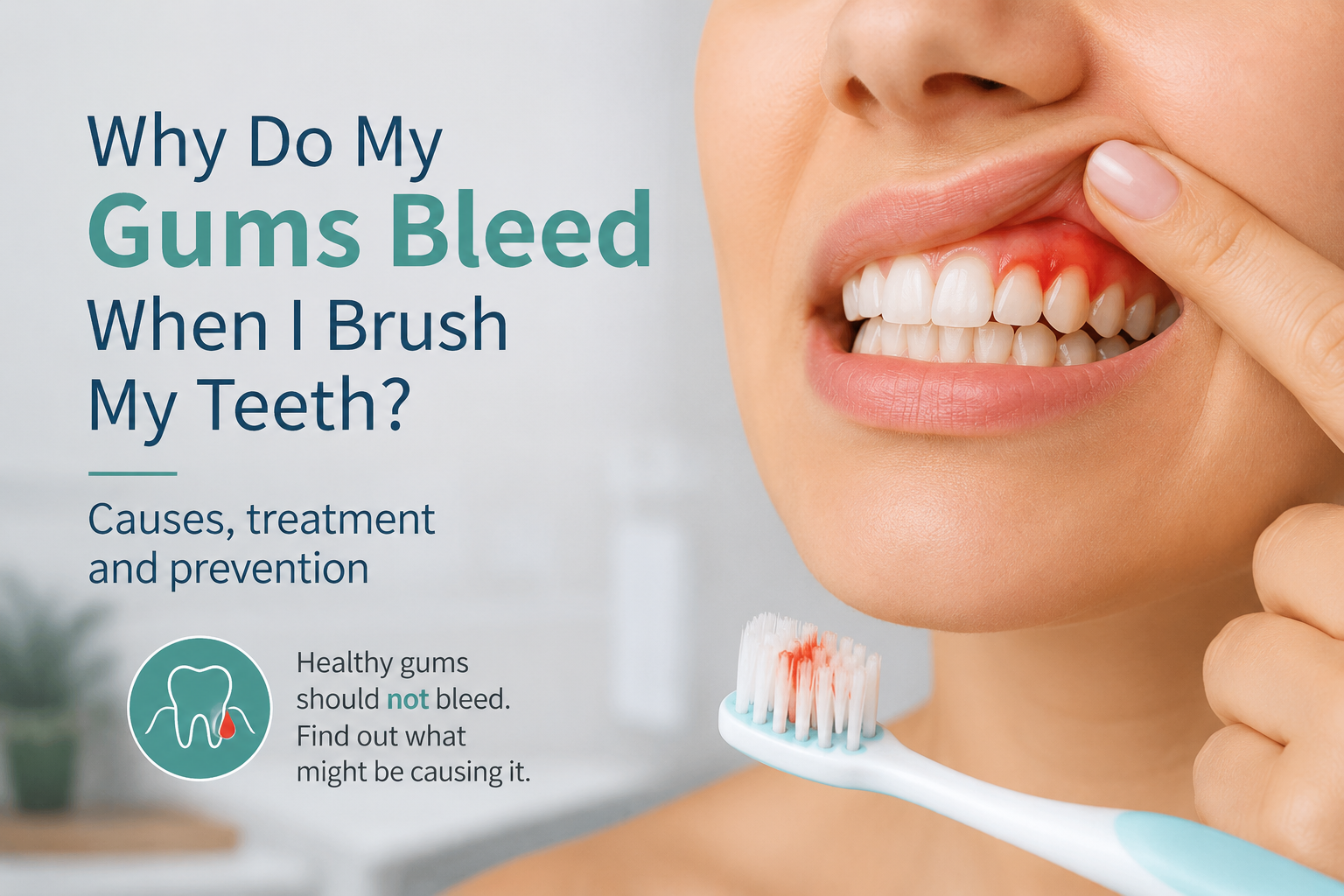
Why Do My Gums Bleed When I Brush My Teeth?
Why Do My Gums Bleed? Common Causes Explained
Seeing blood in the sink after brushing your teeth can be alarming, but it’s a surprisingly common problem. While many people assume occasional bleeding gums are normal, healthy gums should not bleed during brushing or flossing. Even a small amount of blood can be an early warning sign that your gums need attention.
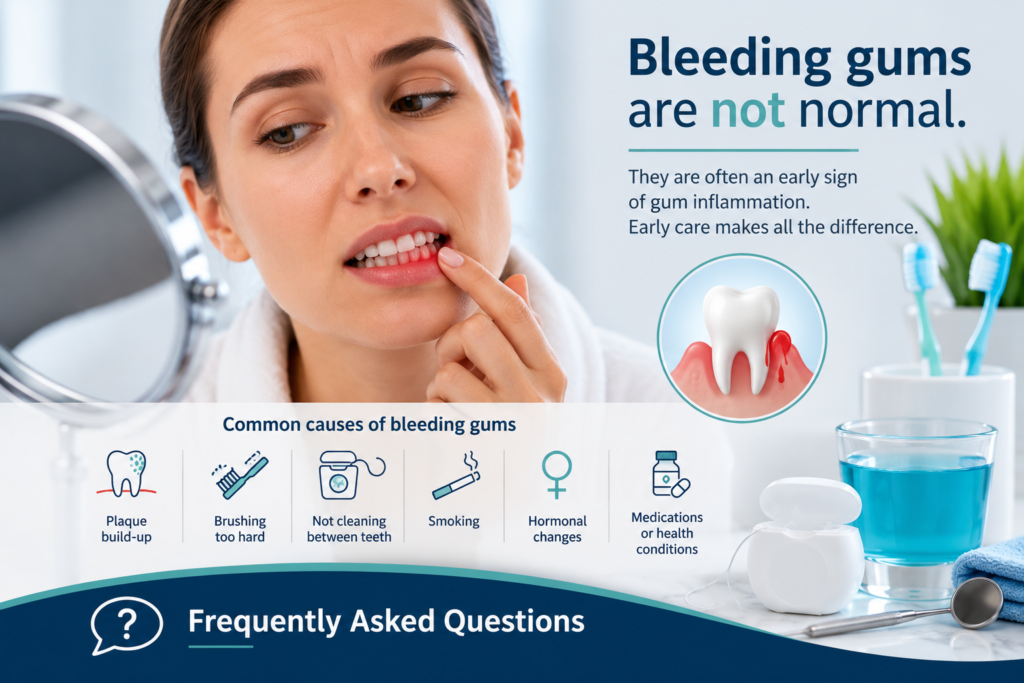
Bleeding gums are often caused by plaque building up around the gum line. If plaque isn’t removed effectively, it can irritate the delicate gum tissue, leading to inflammation known as gingivitis. The good news is that gingivitis is usually reversible when treated early with good oral hygiene and regular professional dental care. However, if left untreated, it can progress to periodontal (gum) disease, a more serious condition that may eventually result in gum recession, loose teeth and even tooth loss.
It’s important to remember that bleeding gums aren’t always caused by poor brushing. Sometimes they can be linked to brushing too aggressively, wearing ill-fitting dental appliances, changes in hormones during pregnancy, certain medications or underlying health conditions. Because there are several possible causes, persistent bleeding should never be ignored.
At Medical Dental Spa, we regularly help patients who are worried about bleeding gums. In many cases, a simple examination combined with a professional hygiene appointment is enough to identify the cause and begin improving gum health. Early treatment not only helps protect your teeth but also supports your overall health, as research continues to show a strong connection between healthy gums and general wellbeing.
If you’ve noticed your gums bleeding when brushing or flossing, don’t panic, but don’t ignore it either. Understanding why it’s happening is the first step towards restoring healthy gums and preventing more complex dental problems in the future.
What Causes Bleeding Gums and How Can You Stop Them?
Bleeding gums are usually a symptom rather than a condition in their own right. Identifying the underlying cause allows your dentist to recommend the most effective treatment and help prevent the problem from returning.
Plaque and Gingivitis
The most common cause of bleeding gums is plaque. This soft, sticky film of bacteria forms on your teeth every day. When plaque is not removed thoroughly through brushing and cleaning between the teeth, it begins to irritate the gums.
The first stage of gum disease is called gingivitis. Common signs include:
- Bleeding during brushing or flossing
- Red or swollen gums
- Tenderness around the gum line
- Persistent bad breath
Fortunately, gingivitis can usually be reversed with professional cleaning and improved oral hygiene at home.
Plaque and Gingivitis
Many people believe brushing harder cleans their teeth better, but the opposite is often true. Using excessive force or a hard-bristled toothbrush can damage delicate gum tissue, causing bleeding and eventually contributing to gum recession. A soft-bristled toothbrush combined with gentle circular brushing motions is usually the safest and most effective approach.
Not Cleaning Between Your Teeth
Even excellent brushing cannot clean every surface of your teeth. Plaque commonly accumulates between teeth where toothbrush bristles cannot easily reach. This is why dentists recommend floss or interdental brushes as part of your daily routine. Patients often notice slight bleeding when they first begin flossing regularly. This usually improves within a week or two as inflammation settles.
Smoking
Smoking significantly increases the risk of gum disease. Interestingly, smokers sometimes notice less bleeding because nicotine reduces blood flow to the gums. Unfortunately, this can hide gum disease until it becomes much more advanced. Stopping smoking greatly improves both oral health and healing after dental treatment.
Hormonal Changes
Hormonal fluctuations can make gums more sensitive and prone to bleeding.
This is particularly common during:
- Pregnancy
- Puberty
- Menopause
Maintaining excellent oral hygiene during these periods is especially important.
Hormonal Certain Medical Conditions and Medications
Occasionally, bleeding gums may be linked to wider health issues or medication.
Examples include:
- Diabetes
- Blood-thinning medication
- Vitamin deficiencies
- Certain immune disorders
If bleeding persists despite good oral hygiene, your dentist may recommend further assessment.
When Should You See a Dentist?
You should arrange a dental appointment if:
- Your gums bleed regularly
- Bleeding continues for more than two weeks
- Your gums appear swollen or painful
- Your teeth feel loose
- You have persistent bad breath
- Your gums appear to be receding
Early diagnosis often allows treatment before permanent damage occurs.
How Bleeding Gums Are Treated
Treatment depends on the cause but may include:
- A comprehensive dental examination
- Professional scale and polish
- AirFlow stain removal (where appropriate)
- Personalised oral hygiene advice
- Treatment for gum disease
- Regular hygiene maintenance appointments
If bleeding persists despite good oral hygiene, your dentist may recommend further assessment.
Frequently Asked Questions
Is it normal for gums to bleed occasionally?
No. Healthy gums should not bleed during brushing or flossing. Even occasional bleeding may indicate early gum inflammation that should be assessed.
Can bleeding gums heal by themselves?
Mild gingivitis can often improve if plaque is removed effectively through good brushing, cleaning between the teeth and professional hygiene treatment. Persistent bleeding should always be examined by a dentist.
Should I stop brushing if my gums bleed?
No. Continuing to brush gently is important. Stopping brushing allows more plaque to accumulate, which can make gum inflammation worse.
Does flossing make bleeding gums worse?
When you first begin flossing, you may notice some bleeding if your gums are already inflamed. With consistent daily cleaning, the bleeding often reduces within a couple of weeks
Can stress cause bleeding gums?
Stress may indirectly contribute by affecting your immune system or leading to poorer oral hygiene habits. It is not usually the primary cause but can make existing gum problems worse.
Are bleeding gums linked to bad breath?
Yes. Plaque and bacteria that cause gum inflammation can also produce unpleasant odours, making persistent bad breath a common symptom of early gum disease.
Can children have bleeding gums?
Yes. Children can develop gingivitis if plaque builds up around their teeth. Good brushing habits and regular dental check-ups are important for maintaining healthy gums from an early age.
Will a professional hygiene appointment stop my gums bleeding?
Professional cleaning removes hardened plaque and tartar that cannot be removed by brushing alone. Combined with good home care, many patients notice a significant improvement in gum health.
Healthy Gums Start with Early Care
Bleeding gums are one of the earliest warning signs that something may not be quite right with your oral health. Although the cause is often straightforward to treat, delaying professional advice can allow minor inflammation to develop into more advanced gum disease.
Maintaining a consistent oral hygiene routine, attending regular dental examinations and visiting your dental hygienist are the best ways to protect your gums and keep your smile healthy for years to come.
If you’ve noticed your gums bleeding when brushing, flossing or eating, our experienced team at Medical Dental Spa is here to help. We’ll identify the cause, explain your treatment options clearly and work with you to restore healthy gums in a comfortable, welcoming environment.