If you develop severe pain, swelling or another urgent dental problem, use our Emergency Dentist in West Hampstead service.


Root canal treatment is used when the soft tissue inside a tooth, known as the dental pulp, becomes inflamed or infected.
This can happen because of:
During treatment, the affected tissue is removed from inside the tooth.
The root canal system is then carefully cleaned, prepared and sealed.
The aim is to preserve the natural tooth rather than remove it unnecessarily.
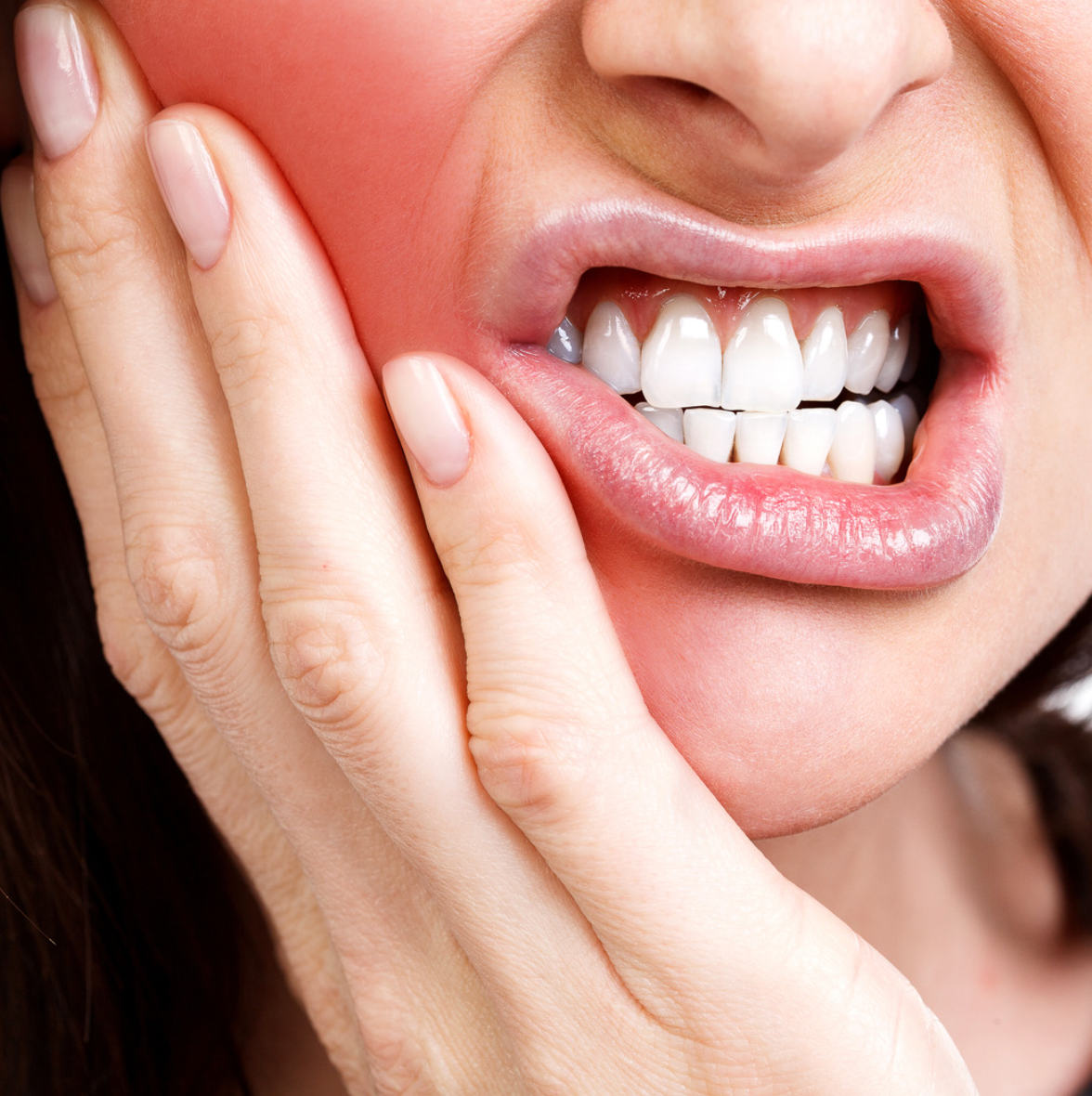
Not every painful tooth needs root canal treatment, but certain symptoms may indicate a deeper problem.
These can include:
Some teeth with significant internal damage may produce few symptoms at first.
A proper dental examination is therefore important before deciding on treatment.
The centre of a tooth contains nerves and blood vessels. If bacteria reach this area, the tissue can become inflamed or infected. Common causes include:
Deep Tooth Decay
Decay that progresses through the outer layers of the tooth can eventually reach the pulp.
Early decay may sometimes be treated with a dental filling, which is why timely assessment matters.
Cracked or Damaged Teeth
A crack can allow bacteria to enter deeper parts of the tooth.
Dental Trauma
A blow to a tooth can damage the pulp even when the tooth does not appear badly broken.
Previous Restorative Treatment
Teeth that have undergone extensive treatment may sometimes develop internal inflammation later.
Treatment begins with a careful assessment of the tooth.
Your dentist will determine whether root canal treatment is appropriate and whether the tooth can be predictably restored.
Where clinically necessary, diagnostic X-rays may be taken.
During treatment, the affected tissue is removed from inside the tooth. The root canals are then cleaned and prepared before being sealed.
Depending on the condition of the tooth, treatment may require more than one appointment.
Once the root canal treatment is complete, the tooth usually needs to be restored to protect it and restore function.
Not every root canal-treated tooth requires the same type of restoration.
However, teeth that have lost significant structure may benefit from a dental crown to help protect the remaining tooth.
Your dentist will assess factors such as:
Where a crown is recommended, we will explain why it may be beneficial.
In suitable cases, yes.
The purpose of root canal treatment is to manage infection or inflammation inside the tooth while preserving the natural tooth structure.
Keeping a natural tooth can help maintain:
However, not every tooth can be saved predictably.
If a tooth is too badly damaged, fractured or structurally compromised, tooth extraction may need to be considered.
The right choice depends on the condition of the tooth.
Where a tooth can be restored successfully, preserving it is often considered before extraction.
Extraction may be recommended when:
We will explain the advantages and limitations of each option before treatment proceeds.

New patients are welcome.
If you have persistent tooth pain, sensitivity or swelling, you do not need to know whether root canal treatment is required before booking.
The first step is an assessment.
Your dentist will examine the tooth, investigate the cause of your symptoms and explain the available treatment options.
If root canal treatment is appropriate, we will discuss what the treatment involves and the likely next steps.

Root canal treatment is used to treat inflammation or infection inside a tooth and help preserve the tooth where possible.
Persistent pain, sensitivity, swelling or discomfort when biting may indicate a deeper dental problem, but only an examination can confirm the cause.
No. Toothache can have several causes. Your dentist will assess the tooth before recommending treatment.
If tooth decay is identified and treated before it reaches the pulp, a filling may sometimes restore the tooth without root canal treatment.
Some root canal-treated teeth may need a crown, particularly where significant tooth structure has been lost.
Yes. If the tooth is too damaged to restore predictably, extraction may be recommended.
Yes. New patients can book an examination for tooth pain, sensitivity or other concerns.
If you develop severe pain, swelling or another urgent dental problem, use our Emergency Dentist in West Hampstead service.