Yes. Dental imaging may help identify causes of tooth pain when considered alongside symptoms and clinical examination.

Good dental treatment begins with understanding the cause of the problem.
At West Hampstead Medical Dental Spa, our Dental Diagnostics in West Hampstead combine clinical examination, dental history and appropriate imaging to assess your teeth, gums, bite and surrounding structures.
Whether you have tooth pain, sensitivity, gum concerns or need an assessment before treatment, our dental team can help identify the problem and explain suitable next steps.
We welcome new and existing patients for routine examinations, restorative assessments and urgent dental concerns.
Dental diagnostics is the process of identifying problems affecting your teeth, gums and wider oral health.
Diagnosis involves more than checking visible symptoms. Depending on your concern, your dentist may assess:
Some dental conditions develop without noticeable symptoms. Others, such as toothache, may have several possible causes.
A thorough assessment helps your dentist understand the underlying problem before recommending treatment.

Dental X-rays help dentists examine structures that cannot always be seen during a routine examination.
They may provide information about:
X-rays are recommended according to clinical need rather than automatically at every appointment.
Your dentist will explain why imaging is required and what information it may provide.
Some dental conditions require a broader or more detailed view than conventional X-rays provide.
West Hampstead Medical Dental Spa offers CBCT and OPG dental imaging in West Hampstead where clinically appropriate.
CBCT Dental Scan
CBCT (Cone Beam Computed Tomography) produces three-dimensional images of teeth, jaws, bone and surrounding structures.
It may be useful for dental implants, complex extractions and selected root canal investigations.
OPG Dental X-Ray
An OPG (Orthopantomogram) provides a two-dimensional panoramic image of the teeth and jaws.
It can help assess wisdom teeth, impacted teeth, missing teeth and wider jaw structures.
The appropriate imaging method depends on the clinical information required.
Additional imaging may be recommended when a dental examination or existing X-rays do not provide enough information.
This may include assessment for:
Not every patient requires CBCT or OPG imaging.
Your dentist considers your symptoms, examination findings, dental history and previous images before recommending further investigation.
Because dental imaging involves ionising radiation, each examination should have a clear clinical justification.
Toothache can have several causes, and the location of the pain does not always identify the affected tooth.
Possible causes include:
Your dentist may assess the painful tooth, neighbouring teeth, existing restorations, sensitivity and bite.
Dental X-rays may also be recommended to investigate areas that cannot be examined visually.
Once the cause is identified, your dentist can discuss suitable treatment options.
For severe or rapidly worsening pain, contact our Emergency Dentist in West Hampstead service.
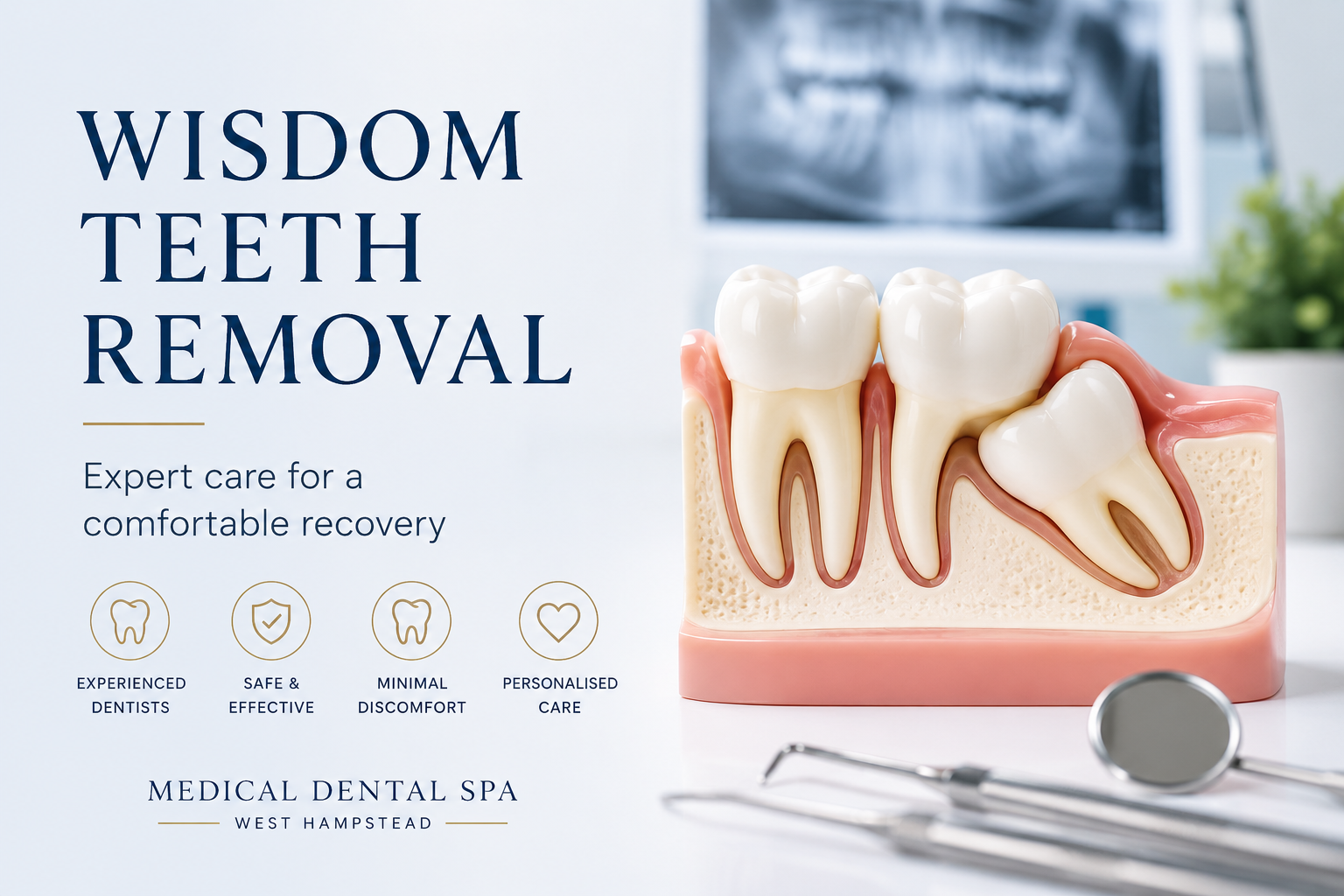
Wisdom teeth may require assessment when they cause pain, swelling, repeated inflammation or difficulty cleaning the surrounding area.
Your dentist may examine:
An OPG may provide a useful overview of the wisdom teeth and jaws.
CBCT may be considered in selected cases where additional three-dimensional information is required.
The findings help determine whether monitoring, treatment or removal should be considered.
Before certain extractions or oral-surgery procedures, imaging may be required to assess the tooth and surrounding structures.
Your dentist may need information about:
A conventional dental X-ray may provide sufficient information for many extractions.
More complex cases may require an OPG or CBCT scan to support treatment planning.
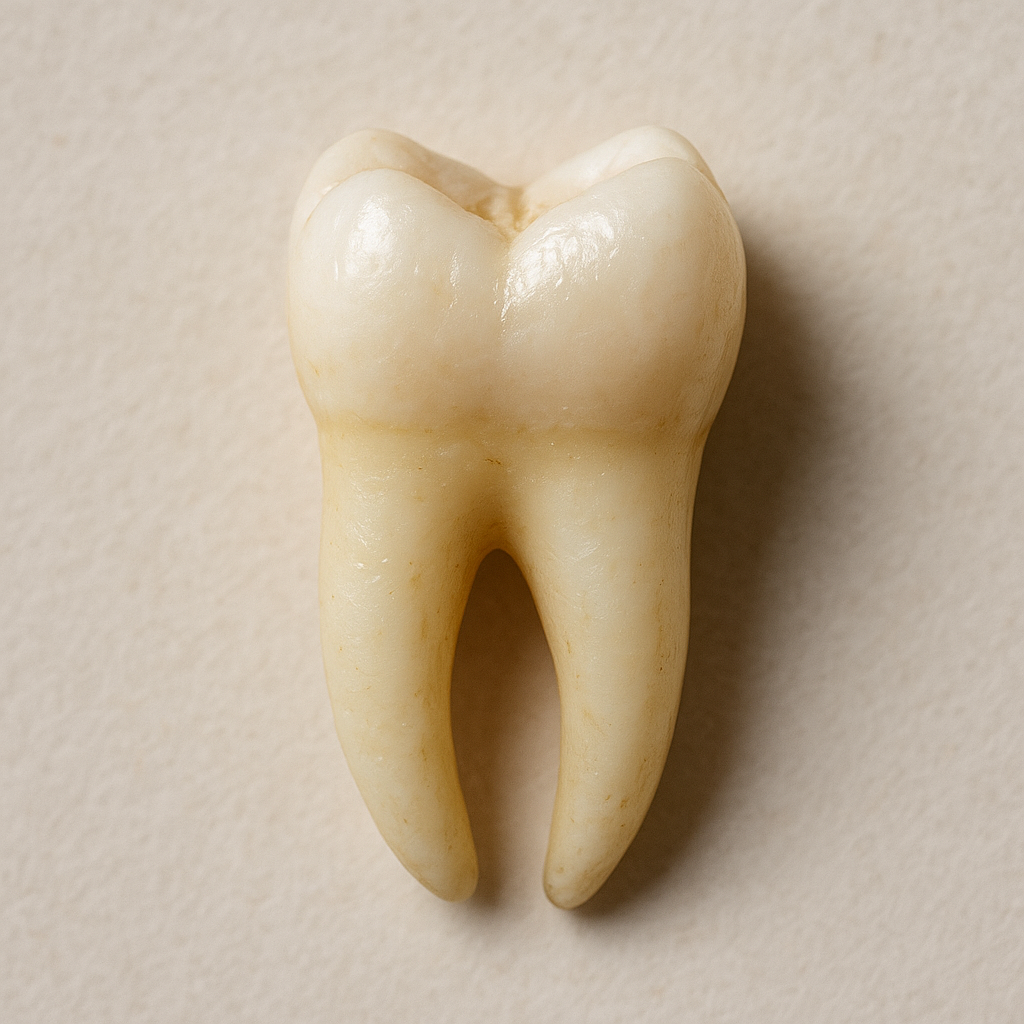
Dental implant treatment requires careful assessment of the proposed implant site.
Your dentist may need to evaluate:
CBCT imaging may be recommended when three-dimensional information is required for implant planning.
The investigations needed will depend on your individual treatment plan.
Problems involving the inside of a tooth can cause pain, sensitivity, swelling or discomfort when biting.
Assessment may involve clinical examination and dental X-rays to investigate:
In selected cases, CBCT may provide additional information about complex root anatomy or previous treatment.
Your dentist can then discuss whether root canal treatment, monitoring or another approach is appropriate.


After extraction, the treatment area needs time to heal.
Your dental team will provide aftercare instructions based on the procedure performed.
General guidance may include:
Following your individual aftercare instructions helps support normal healing.
Contact the practice if you are unsure about any aspect of your recovery.
Your appointment begins with a discussion of your symptoms, dental history and any concerns you may have.
Clinical Examination
Your dentist examines your teeth, gums, bite and wider mouth, checking for decay, damage, inflammation, tooth wear and problems with existing dental work.
Further Investigation
Dental X-rays or additional imaging may be recommended if visual examination does not provide enough information.
Explanation of Findings
Your dentist explains the findings, discusses appropriate treatment options and advises whether further investigation or monitoring is needed.
The assessment is tailored to your individual oral health.
Dental diagnostics also includes examining the gums and soft tissues inside the mouth.
Gum Health Assessment
Your dental team may check for:
Depending on the findings, professional hygiene, gum treatment or further monitoring may be recommended.
Explore Gum Care
Oral Cancer Screening
West Hampstead Medical Dental Spa includes oral cancer screening as part of its dental examinations.
Your dentist may examine the tongue, cheeks, gums and other soft tissues for unusual changes.
If an area requires further investigation, your dentist can explain the appropriate next step or referral.
New patients are welcome at West Hampstead Medical Dental Spa.
You do not need to know what treatment you require before booking an appointment.
An initial dental examination allows your dentist to:
This provides a starting point for ongoing dental care.
Dental examinations currently start from £65.
Additional investigations may involve separate fees where required.
Diagnostic findings are considered alongside your symptoms, examination and dental history.
Your dentist will explain:
The aim is to help you understand your oral health and make informed decisions before treatment begins.
CBCT / OPG Referrals
West Hampstead Medical Dental Spa also provides a dedicated CBCT / OPG imaging and referral pathway for patients and referring dental professionals.
Referrals should identify the clinical reason for imaging and the information required.
Referral requirements, image transfer, reporting arrangements and applicable fees should be confirmed directly with the practice.
Dental diagnostics involves assessing symptoms, examining the mouth and using appropriate investigations to identify dental problems and guide treatment planning.
No. Dental X-rays are recommended according to clinical need, previous imaging and individual risk factors.
They can provide information about tooth decay, roots, surrounding bone, infections and structures that may not be visible during examination.
CBCT is a three-dimensional imaging technique that provides detailed views of teeth, jaws, bone and surrounding anatomy.
An OPG is a panoramic dental X-ray that provides a broad two-dimensional view of the teeth and jaws.
OPG provides a panoramic overview, while CBCT provides three-dimensional information. Your dentist will recommend the appropriate investigation based on clinical need.
No. CBCT is recommended only when additional three-dimensional information is clinically justified.
Yes. Dental imaging may help identify causes of tooth pain when considered alongside symptoms and clinical examination.
Yes. Imaging may be required to assess bone, nearby teeth and surrounding anatomy before implant treatment.
Yes. OPG or CBCT imaging may help assess wisdom tooth position and surrounding structures where appropriate.
Yes. Medical Dental Spa includes oral cancer screening as part of its dental examinations.
Your dentist will explain the findings and discuss whether treatment, monitoring, further investigation or referral is appropriate.
No. New patients begin with an individual assessment, and imaging is recommended only where clinically necessary.
Dental examinations at Medical Dental Spa currently start from £65. Additional investigations may involve separate fees.
Medical Dental Spa publishes tooth extraction from £180. The actual wisdom tooth removal fee depends on the complexity of the procedure and will be explained following assessment.
Yes. Your dentist can assess your symptoms and recommend suitable investigations or treatment.
Yes. New patients are welcome, even if they have not previously received a diagnosis or been advised that extraction is necessary.