Teeth Whitening London 2026 What Works, What Is Safe & How to Choose the Right Option
Teeth Whitening in 2026: What Actually Works, What Is Safe, and What Patients Should Know
Medical Dental Spa | Unit 5, 224 Iverson Road, West Hampstead, NW6 2HL, London
The truth about teeth whitening: safe options, realistic results, and how to choose the right treatment for your smile.
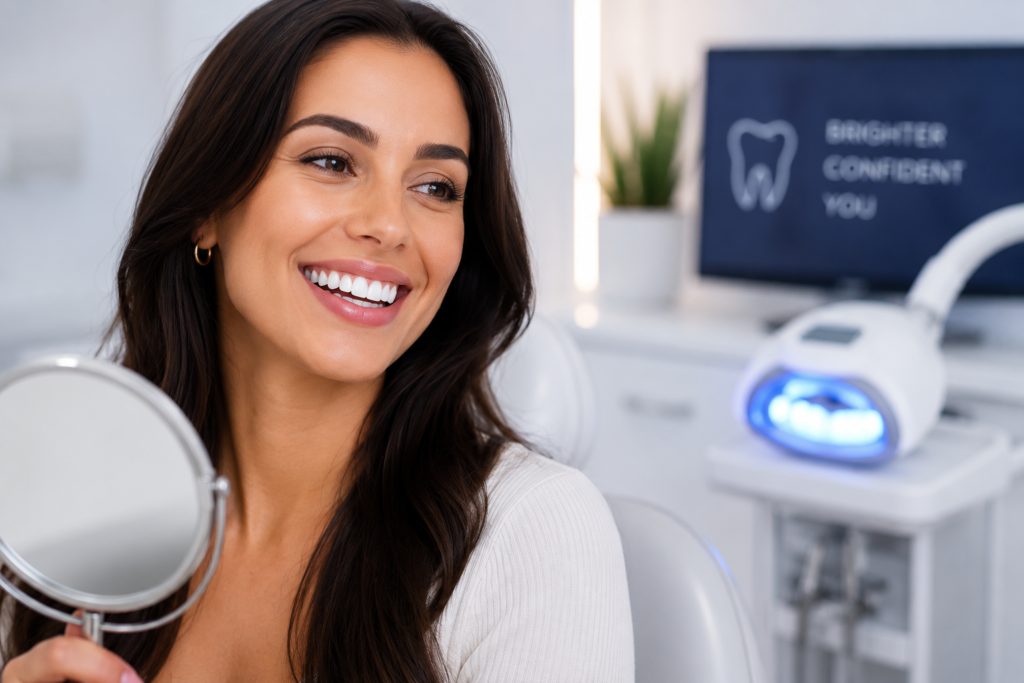
Book Your Whitening Consultation – £50
Thinking about whitening your teeth, but not sure what is safe, what actually works, or which option is right for you?
You are not alone. Teeth whitening is one of the most popular cosmetic dental treatments in London, but it is also one of the most misunderstood.
Many patients assume whitening is simply about choosing the strongest product or the quickest result. In reality, safe whitening should always be tailored to your teeth, your gums, your level of sensitivity, and the type of staining you have.
At Medical Dental Spa in West Hampstead, we believe whitening should never be one-size-fits-all. A professional plan should protect your enamel, respect your comfort, and deliver a result that looks bright, healthy and natural.
“The best whitening result is not the fastest one. It is the safest one for your teeth.”

What teeth whitening actually does
Teeth whitening works by breaking down staining within the tooth structure, helping the teeth appear lighter and brighter in shade.
It is important to understand what whitening can and cannot do. Whitening can improve the colour of natural teeth, but it does not change the shape of your teeth, and it will not whiten fillings, crowns or veneers.
Common causes of tooth staining include:
- tea and coffee
- red wine
- smoking or vaping
- age-related darkening
- certain foods and drinks
In some cases, teeth can also appear darker naturally because of enamel thickness or the colour of the dentine underneath.
Is teeth whitening safe?
When carried out properly, teeth whitening is considered safe for suitable patients. The key is choosing the right method, the right concentration, and the right clinical supervision.
Problems usually happen when patients try harsh DIY methods, unregulated products, or whitening without a proper dental assessment first.
That is why a professional consultation matters. Before recommending whitening, your dentist should check for:
- tooth decay
- gum disease or inflammation
- cracks or enamel wear
- recession and exposed root surfaces
- existing sensitivity
- old fillings, crowns or veneers that will not change colour
A short assessment can prevent discomfort, reduce the risk of uneven results, and help you avoid treatment that is not suitable for your smile.
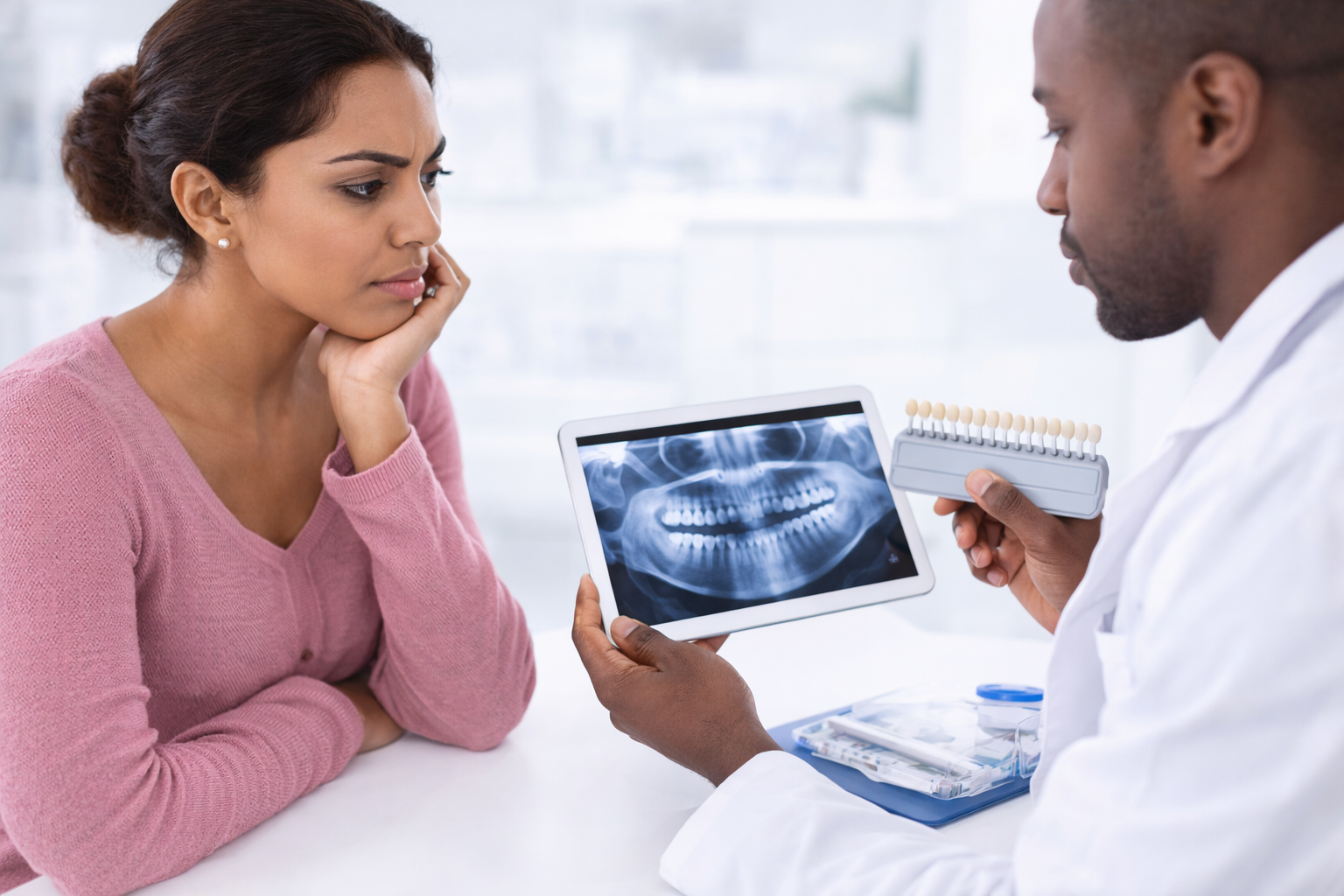
Concerned about safety?
If you have sensitive teeth, old fillings, gum recession or you are unsure whether whitening is suitable for you, the safest first step is a professional assessment.
Check If Whitening Is Right for You
Which whitening option is best?
The best whitening option depends on your teeth, your lifestyle and the result you want to achieve.
In general, the main choices are:
- Professional in-surgery whitening
This option is designed for a faster visible result and may suit patients who want a brighter smile for an event or special occasion. - Custom tray whitening at home
This is often the most predictable and controllable option because it can be tailored more precisely to your teeth and comfort level. - Combined whitening
This approach combines in-practice whitening with home trays to refine the result and help maintain brightness over time.
For many patients, custom tray whitening is the best balance of comfort, control and predictable results. Others may prefer a quicker in-practice result, while some feel more comfortable with a slower, gentler approach.

Not sure which option suits you best?
A personalised whitening plan helps match the treatment to your smile, sensitivity level and goals.
Will whitening cause sensitivity?
Some people do experience temporary sensitivity during or after whitening. In most cases, this is mild, short-lived, and settles once treatment is paused or adjusted.
The risk of sensitivity can often be reduced by:
- checking the teeth and gums beforehand
- choosing the correct gel strength
- avoiding overuse
- supporting the enamel with the right home-care routine
- using a more gradual approach when needed
If you already have sensitive teeth, it is especially important to mention this at your consultation so your treatment can be planned properly.
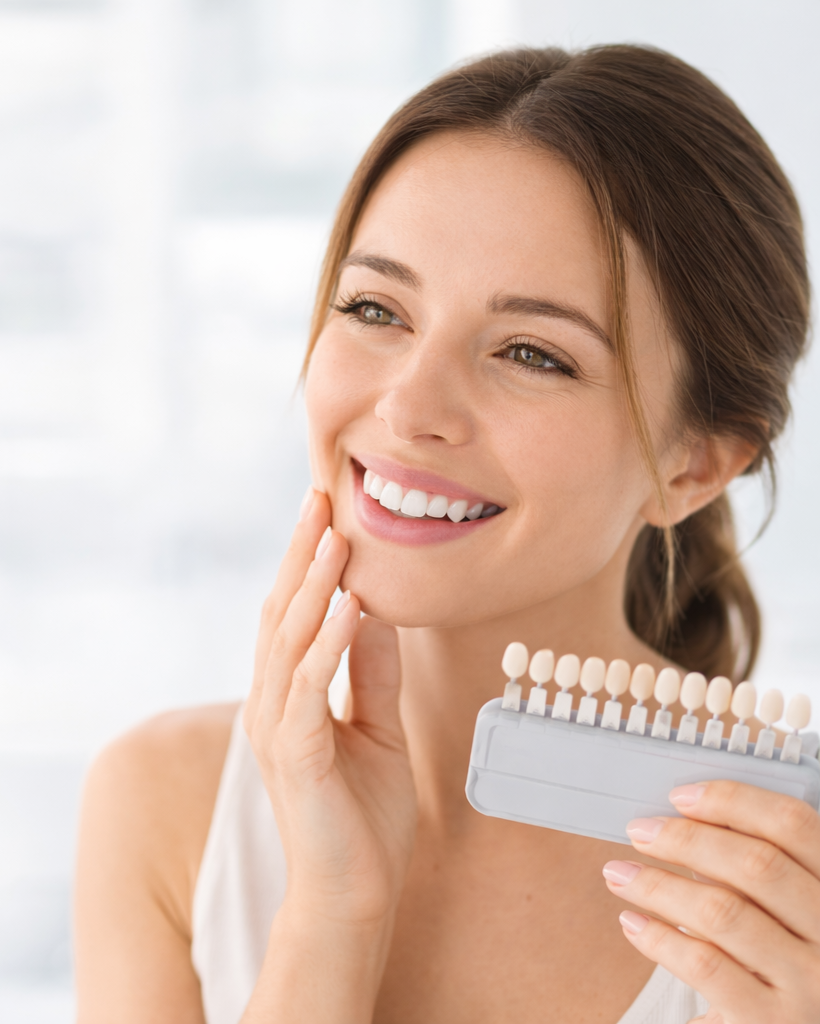
Who should avoid whitening or delay treatment?
Whitening is not suitable for everyone straight away.
It may need to be delayed or avoided if you have:
- untreated decay
- active gum disease
- very sensitive teeth
- certain deep or internal stains
- restorations that will not change colour
- uncertainty about whether your teeth are healthy enough for treatment
In some cases, a hygiene appointment, gum treatment, or repair of old dental work may be recommended before whitening begins.
Common teeth whitening myths patients still believe in 2026
There are many myths around teeth whitening, and they often stop people from getting accurate advice. Here are some of the most common ones:
“Whitening damages enamel.”
Safe professional whitening does not “strip” enamel when used correctly.
“All whitening works equally well for everyone.”
The final result depends on the type of stain, your starting shade, and your tooth structure.
“Over-the-counter products are the same as professional whitening.”
They are not. Professional treatment is tailored and clinically supervised.
“A brighter smile always means a healthier smile.”
Colour and health are not the same. Healthy teeth always come first.
“Whitening lasts forever.”
It does not. Maintenance matters.
How long do whitening results last?
Teeth whitening is not permanent. The result can last very well, but it will gradually fade over time depending on your habits, diet and oral hygiene.
Tea, coffee, red wine and smoking can all cause staining to return more quickly. Top-up whitening, good brushing habits and regular hygiene visits can help keep the smile brighter for longer.
How to keep teeth whiter for longer
A few simple habits can make a big difference after whitening:
- brush twice a day with a fluoride toothpaste
- avoid frequent sipping of tea, coffee and coloured drinks
- rinse with water after staining foods and drinks
- do not smoke
- attend regular dental hygiene visits
- use whitening top-ups only as advised by your dentist
If you want your whitening result to last, maintenance matters just as much as the treatment itself.
Teeth whitening in London: why a consultation still matters
If you are considering teeth whitening in London, the best first step is a consultation. This allows your dentist to check whether whitening is suitable, discuss your expectations, and recommend the safest option for your smile.
At Medical Dental Spa in West Hampstead, we believe good whitening should never be rushed and should never be generic. It should be built around your teeth, your comfort, and the result you want to achieve.
For patients looking for safe teeth whitening in London, professional whitening in West Hampstead, or a dentist-led whitening consultation near NW6, this first assessment is what makes the difference between guesswork and a proper plan.
Frequently asked questions about teeth whitening
Does teeth whitening hurt?
It should not hurt, although some patients may experience temporary sensitivity. A proper assessment and the right treatment plan can help minimise this.
How white can my teeth get?
That depends on your starting shade, the type of staining, and how your teeth respond. A natural, healthy-looking result is usually the best goal.
Can whitening remove all stains?
No. Some stains respond very well, but deep internal staining, tetracycline staining and certain developmental colour changes may be more difficult to treat.
Can I whiten crowns or fillings?
No. Whitening only works on natural teeth, so existing restorations may need to be reviewed if colour matching is important to you.
Still have questions?
Speak to one off our dentist in West Hampstead about the safest whitening option for your smile.
Final thoughts
Teeth whitening can be a safe and effective way to improve your smile, provided it is planned properly and suited to your teeth.
The best results usually come from a professional approach, clear advice and realistic expectations, not from the strongest product or the quickest promise.
If you are thinking about teeth whitening in London, start with a consultation so your dentist can recommend the safest and most suitable option for your smile.
Ready to start your whitening journey the right way?
Your smile deserves more than over-the-counter whitening.
Start with what matters most:
- professional diagnosis
- personalised treatment planning
- dentist-led care
- safe, realistic results
Book Your Whitening Consultation – £50
Medical Dental Spa
Unit 5, 224 Iverson Road
West Hampstead, NW6 2HL
London