Dental imaging is commonly used when it is clinically necessary to understand the position and structure of a tooth. The type of imaging required will depend on your case.

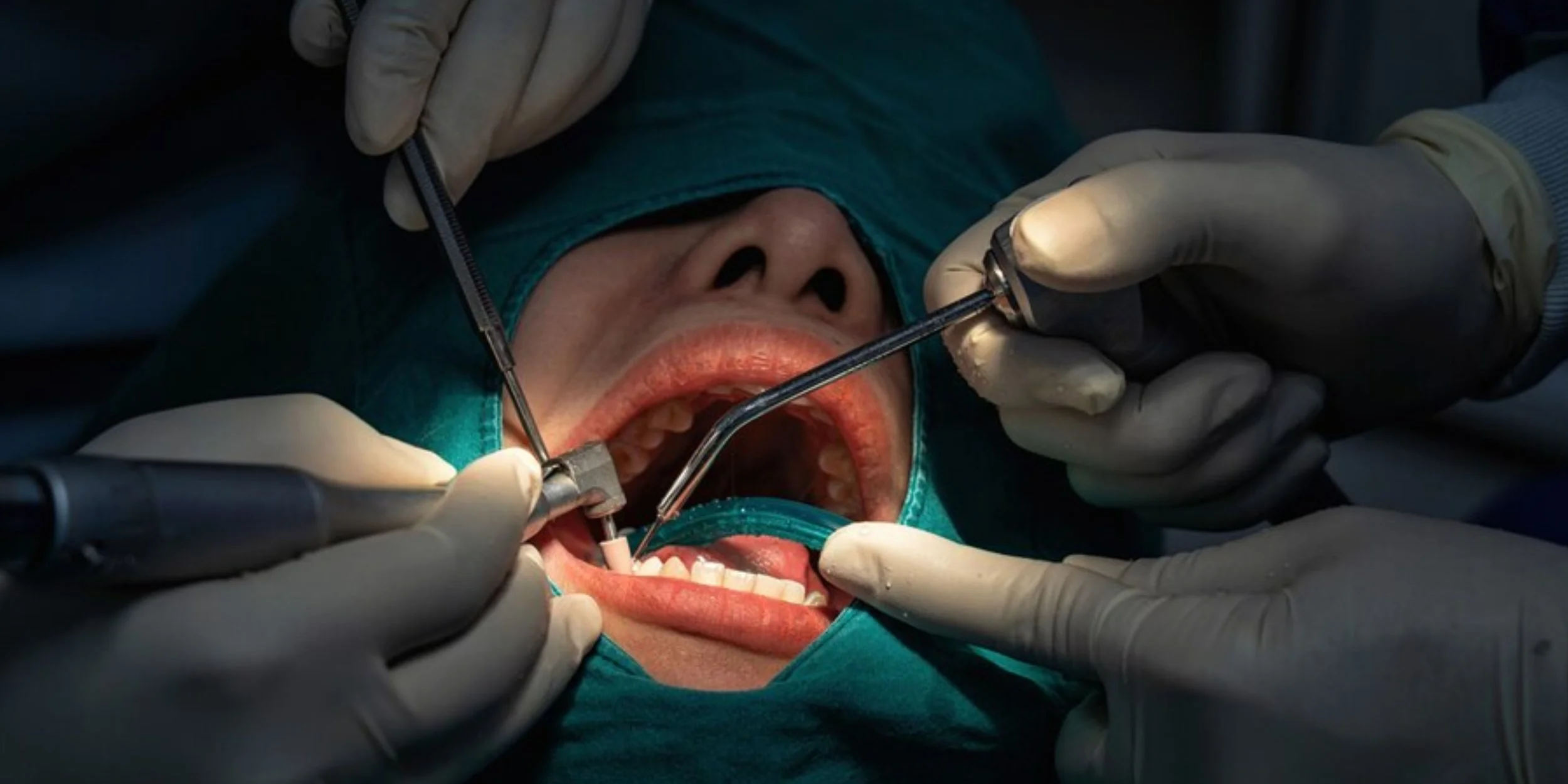
Oral surgery refers to dental procedures that involve the teeth, gums or surrounding structures and require a surgical approach.
Not every tooth extraction is oral surgery.
Some teeth can be removed relatively simply, while others may require a more complex procedure depending on factors such as:
The appropriate treatment will depend on your individual situation.
Assessment is important before deciding whether oral surgery is necessary.
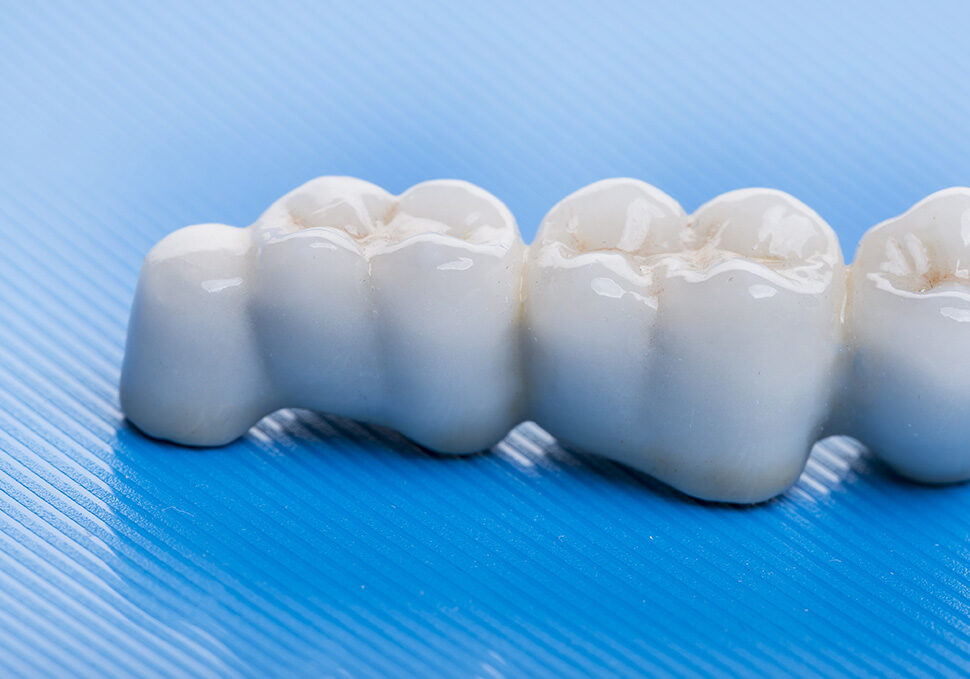
Oral surgery may be considered when a dental problem cannot be managed predictably with routine treatment alone.
Examples may include:
Having one of these problems does not automatically mean that surgery will be required.
Whenever appropriate, your dentist will consider whether the tooth can be maintained before recommending removal.
A tooth may sometimes need to be removed when it is badly damaged, infected or cannot be restored predictably.
Possible reasons for extraction include:
Some extractions are relatively straightforward.
Others are more complex and may require a surgical approach.
Before treatment, your dentist will assess the tooth and explain what type of extraction is expected.
A surgical tooth extraction may be needed when a tooth cannot be removed using a straightforward extraction technique.
This can happen when:
Depending on the individual case, surgical treatment may involve carefully accessing the tooth through the surrounding gum and removing the tooth in a controlled manner.
Sometimes a tooth may need to be divided into smaller sections to allow safer removal.
Your dentist will explain the expected procedure before treatment begins.
An impacted wisdom tooth is a tooth that has not fully emerged into the mouth because its position or available space prevents normal eruption.
A wisdom tooth may be:
Some impacted wisdom teeth remain symptom-free.
Others can become difficult to clean and may be associated with pain, inflammation or repeated infection.
If you experience recurring discomfort around a wisdom tooth, an assessment can help determine whether monitoring, treatment or removal should be considered.
Imaging may also be recommended to examine the position of the tooth and its surrounding structures.
Dental infections can develop for different reasons.
They may arise from:
Symptoms can include:
An infected tooth does not always need to be removed.
Depending on the condition of the tooth, treatments such as Root Canal Treatment may sometimes allow it to be retained.
If the tooth cannot be restored predictably, extraction may need to be considered.
Dental imaging can be an important part of oral-surgery assessment.
A standard dental X-ray may provide enough information for many cases.
For certain teeth or more complex situations, additional imaging may be recommended.
This can include:
Imaging can help the dental team assess factors such as:
A CBCT scan provides three-dimensional information and may be useful in selected cases where additional detail is required for treatment planning.
Not every patient undergoing oral surgery will need CBCT imaging.
Your dentist will recommend imaging according to your individual clinical needs.
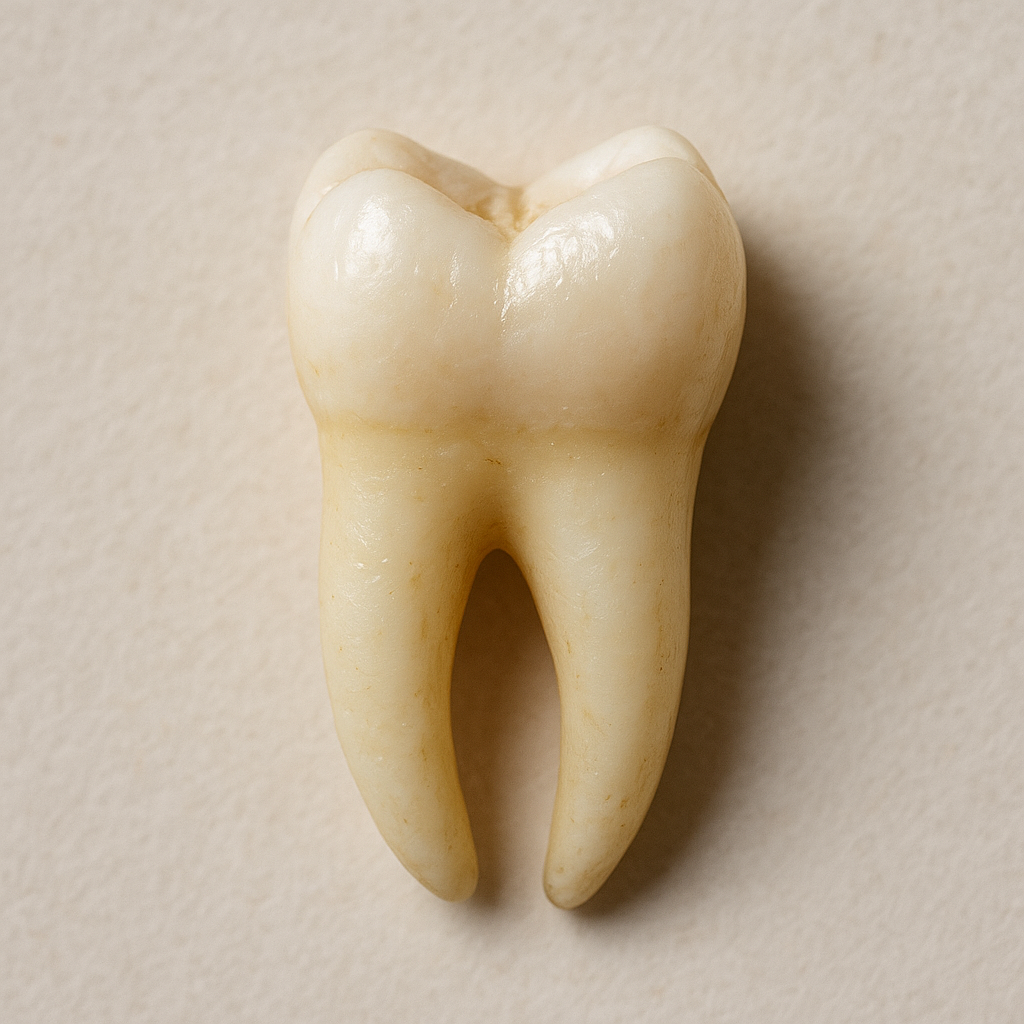
Wisdom teeth are the teeth located furthest towards the back of the mouth.
Some wisdom teeth come through normally and never cause problems.
Others may not have enough space to erupt fully or may develop at an angle. These are sometimes described as impacted wisdom teeth.
Problems associated with wisdom teeth may include:
Wisdom teeth do not automatically need to be removed simply because they are present.
Your dentist will assess whether treatment is actually required.
Before oral surgery is recommended, your dentist will first assess the problem carefully.
Your appointment may involve:
Dental Examination
The affected tooth, surrounding gums and nearby structures are examined.
Medical History
Relevant medical conditions, medications and allergies should be discussed before treatment.
Dental Imaging
X-rays or other imaging may be recommended where clinically appropriate.
Discussion of Treatment Options
Where possible, alternatives to removal can be considered.
These may include treatments such as:
Treatment Planning
If surgery is appropriate, the proposed procedure, expected recovery and relevant risks can be explained before treatment.
The aim is to allow you to make an informed decision about your dental care.

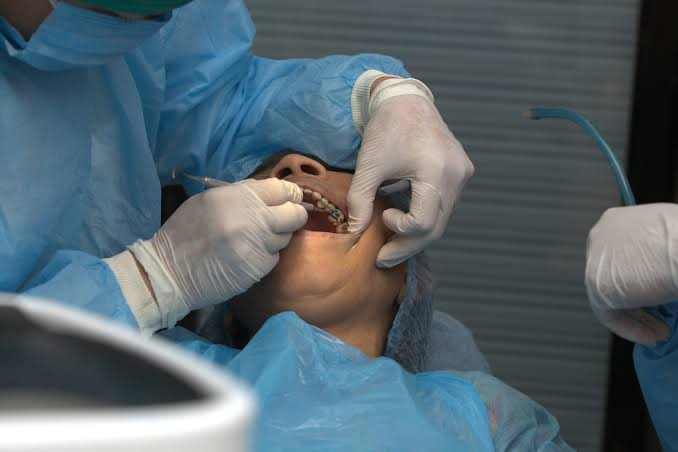
The exact procedure depends on the tooth and the complexity of the case.
For many minor oral-surgery procedures, the treatment area is numbed using local anaesthetic.
The procedure may involve:
Not every surgical extraction requires all of these steps.
The approach will be based on your individual clinical situation.
If your case requires treatment beyond what is suitable within the practice, an appropriate referral may be discussed.
Recovery varies depending on the procedure and the individual patient.
Following a tooth extraction or minor oral surgery, it is common to experience some temporary:
Your dental team will provide aftercare instructions appropriate to your treatment.
General aftercare may involve protecting the extraction site, maintaining appropriate oral hygiene and avoiding activities that could interfere with early healing.
You should follow the specific instructions given by your dental team because these may vary according to the procedure performed.
Some discomfort and swelling can occur following a surgical extraction.
These symptoms should generally begin to improve as healing progresses.
One possible complication after an extraction is dry socket.
A blood clot normally forms within the extraction socket and plays an important role in early healing.
If this clot does not develop properly or becomes disturbed, the area can become painful.
Symptoms that may require further assessment include:
If you are concerned about your recovery, contact the dental team for advice rather than waiting for the problem to become more severe.
Extraction is not automatically the first treatment option for a damaged or painful tooth.
Depending on the cause and extent of the problem, it may sometimes be possible to preserve the tooth.
Possible treatments may include:
For example, a tooth with an infection inside it may sometimes be treated with root canal treatment rather than extraction if enough healthy tooth structure remains.
However, removal may be considered where a tooth is too badly damaged, repeatedly infected or cannot be restored predictably.
Your dentist can discuss the benefits, limitations and alternatives relevant to your individual case.
Oral surgery describes dental procedures involving the teeth, gums or surrounding structures that require a surgical approach. This can include certain difficult tooth extractions and wisdom tooth procedures.
No. Many teeth can be removed using a straightforward extraction technique. Oral surgery may be required when a tooth is more difficult to access or remove.
A surgical approach may be required if a tooth is badly broken, impacted, positioned below the gum, has difficult roots or cannot be removed predictably with a routine extraction.
No. Wisdom teeth that are healthy and are not causing problems may simply be monitored. Removal may be considered if they are associated with problems such as recurring infection, decay, pain or other disease.
An impacted wisdom tooth is one that cannot fully erupt into the mouth because of its position or lack of available space.
Possible symptoms can include pain, swelling, tenderness around the gum, difficulty cleaning the area or an unpleasant taste. A dental examination is required to identify the cause.
Sometimes. Depending on the condition of the tooth, root canal treatment or another restorative treatment may allow it to be retained. In other cases, extraction may be recommended.
Dental imaging is commonly used when it is clinically necessary to understand the position and structure of a tooth. The type of imaging required will depend on your case.
Not necessarily. CBCT scans are used selectively when three-dimensional information is clinically useful for diagnosis or treatment planning.
The treatment area is normally numbed when local anaesthetic is being used. Some discomfort, tenderness or swelling can occur during the healing period after surgery.
Recovery varies according to the type and complexity of the procedure and the individual patient. Your dental team will explain what you can reasonably expect following your particular treatment.
Contact your dental team if pain becomes severe, increases rather than improves, or is accompanied by significant swelling, persistent bleeding, fever or feeling unwell.
A badly broken tooth may sometimes require surgical extraction, particularly when little tooth structure remains above the gum. An examination and appropriate imaging can determine the best approach.
If you have severe toothache, swelling, a damaged tooth or another urgent dental problem, contact Medical Dental Spa to ask about an Emergency Dental Appointment.