Veneers change the visible appearance of selected teeth rather than moving them orthodontically.
If tooth position or alignment is the main concern, Clear Aligners may be more appropriate for suitable patients.

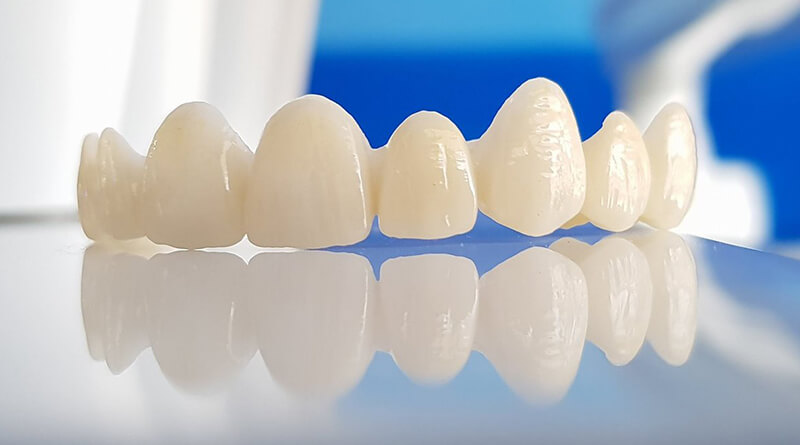
Dental veneers are restorations placed over the visible front surface of selected teeth.
They can be used to alter certain aspects of a tooth's appearance, including:
Veneer treatment should be planned individually.
Your dentist will consider the existing condition of each tooth before discussing whether veneers or another cosmetic treatment may be more suitable.
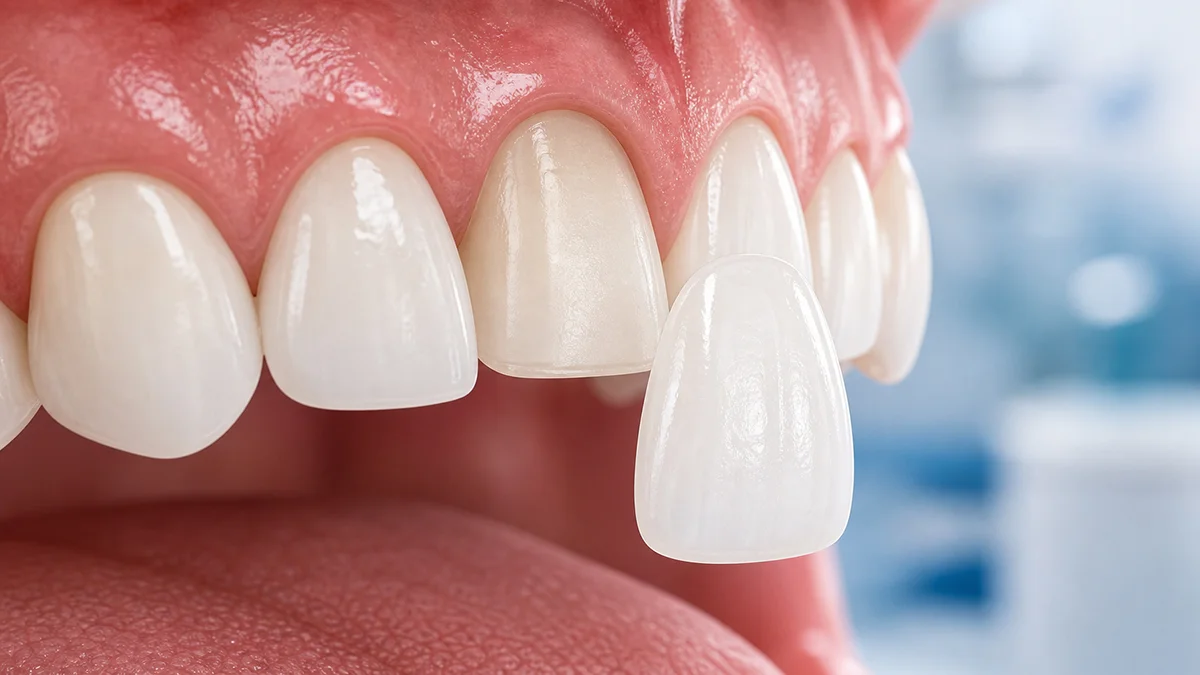
Veneers are not automatically suitable for every patient or every cosmetic concern.
Before treatment is recommended, your dentist will consider:
Healthy teeth and gums provide the foundation for cosmetic dental treatment.
If your dentist identifies decay, gum problems or another dental concern, this may need to be managed before cosmetic treatment begins.
At West Hampstead Medical Dental Spa, cosmetic treatment is planned around the individual smile.
Natural-looking veneer treatment should consider more than simply making teeth brighter or more uniform.
Treatment planning may take into account:
The aim is to create an appearance that complements your existing features rather than applying the same smile design to every patient.
Teeth whitening and veneers are different cosmetic treatments.
Professional whitening changes the colour of suitable natural teeth.
Veneers cover the visible surface of selected teeth and do not whiten in the same way as natural tooth enamel.
If you are considering both treatments, discuss this with your dentist before either treatment begins.
The order of treatment may be important when planning the final shade and overall appearance of your smile.
Some cosmetic concerns are caused primarily by tooth position rather than tooth shape.
If teeth are crowded, rotated or positioned unevenly, changing their alignment may sometimes address the underlying concern more appropriately than covering the visible surfaces.
For suitable patients, Clear Aligners may provide an option for gradually improving tooth position.
Veneers and aligners serve different purposes.
Your dentist will consider whether your concern relates mainly to:
This allows treatment to be planned around the cause of the concern rather than appearance alone.
Cosmetic dentistry should not be planned separately from your overall oral health.
Before recommending veneers, your dentist may assess:
Underlying dental problems may need treatment before cosmetic work begins.
This helps ensure that decisions about your smile are made with both appearance and dental health in mind.
Veneers still require good oral hygiene and regular professional dental care.
Your dentist may recommend:
Veneers are restorations, so their condition should be monitored over time.
Regular reviews allow your dentist to check both the veneer and the underlying and surrounding dental structures.
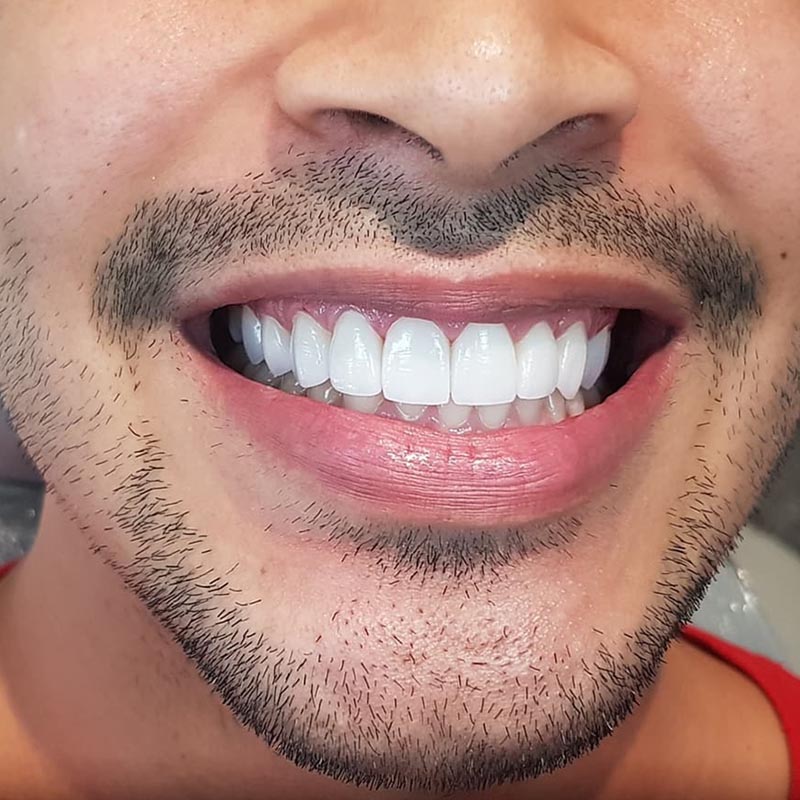
Dental veneers may be considered when selected teeth would benefit from changes to their visible appearance.
Tooth Shape
Some teeth may naturally appear shorter, narrower, irregular or differently proportioned from neighbouring teeth.
Veneers may be considered when changing the visible shape of selected teeth could create a more balanced appearance.
Tooth Colour
Some patients are concerned about individual teeth that appear different in colour from surrounding teeth.
Veneers may be one option when changing the visible surface of the tooth is appropriate.
However, your dentist may first discuss whether professional teeth whitening or another treatment could address the concern more conservatively.
Tooth Proportion
The proportion of individual teeth can influence the overall balance of a smile.
For suitable patients, veneers may be used to alter selected proportions while considering neighbouring teeth and the overall smile.
Minor Cosmetic Irregularities
Veneers may also be considered for selected cosmetic irregularities affecting the visible surfaces of teeth.
Your dentist will assess whether veneers are appropriate or whether another treatment, such as Composite Bonding or Clear Aligners, would better address the underlying concern.
Every veneer case begins with an individual dental assessment.
1. Consultation and Dental Assessment
Your dentist will discuss what you would like to change about your smile and examine the condition of your teeth and gums.
Your bite, existing restorations and tooth position may also be considered.
2. Treatment Planning
If veneers are suitable, your dentist will explain which teeth may benefit from treatment and discuss the planned cosmetic changes.
Treatment planning should consider the whole smile rather than looking at individual teeth in isolation.
3. Shade and Shape Planning
The appearance of veneers should work with your surrounding teeth and overall features.
Factors such as tooth colour, shape and proportion may therefore form part of the planning process.
4. Tooth Preparation and Veneer Treatment
The clinical steps required depend on the individual tooth, the type of restoration planned and your treatment requirements.
Your dentist will explain what is involved before treatment begins.
5. Review and Ongoing Care
Following treatment, your dentist will advise you about looking after your veneers and surrounding teeth.
Routine dental examinations remain important so your dentist can monitor your restorations, gums, bite and general oral health.


Veneers and Composite Bonding can both improve selected cosmetic concerns, but they use different approaches.
Composite Bonding
Composite Bonding involves adding tooth-coloured resin selectively to appropriate areas of a tooth.
It may be considered for concerns such as:
Dental Veneers
Veneers cover the visible front surface of selected teeth.
They may be considered when a broader change to tooth shape, colour, proportion or visible surface is required.
Neither treatment is automatically the better option.
The most appropriate treatment depends on your individual teeth, bite, oral health, existing dental work and desired outcome.
Your dentist can explain the differences after assessing your smile.
There is no single lifespan that applies to every veneer.
Longevity can depend on several factors, including:
Your dentist can explain the expected maintenance requirements for your individual treatment.
Regular dental examinations also allow veneers and surrounding teeth to be monitored over time.
The amount of tooth preparation required can vary between patients and individual teeth.
It would therefore be misleading to assume that every veneer case involves exactly the same preparation.
Factors such as tooth position, existing restorations, tooth structure and the planned result can influence the clinical approach.
Before treatment begins, your dentist should explain:
You should understand these details before deciding whether to proceed.

West Hampstead Medical Dental Spa currently assesses Dental Veneer treatment individually rather than publishing a standard veneer price.
The final cost may depend on your individual treatment requirements and the complexity of your case.
Following your assessment, your dentist will explain:
You will have the opportunity to understand the proposed treatment and cost before deciding whether you would like to proceed.
Dental veneers are restorations designed to cover the visible front surface of selected teeth.
They may be used to improve aspects such as tooth shape, colour, proportion or surface appearance.
Suitability depends on your teeth, gums, bite, existing restorations and cosmetic goals.
A dental assessment is required before veneers can be recommended.
Veneers may alter the visible colour of selected teeth.
However, your dentist may also discuss professional teeth whitening or another treatment depending on the cause and extent of discolouration.
Yes. Dental veneers may be considered when changing the visible shape or proportion of selected teeth would improve smile balance.
Treatment suitability still needs to be assessed individually.
No.
Whitening treatments affect suitable natural tooth structure but do not whiten existing veneers in the same way.
If you are considering both whitening and veneers, treatment should be planned in advance.
Veneers cover the visible front surface of selected teeth.
Composite Bonding involves adding tooth-coloured resin selectively to particular areas.
The most suitable option depends on the individual tooth and your treatment goals.
Neither treatment is automatically better.
Suitability depends on factors including tooth condition, bite, existing restorations, the cosmetic change required and your long-term treatment needs.
Veneers change the visible appearance of selected teeth rather than moving them orthodontically.
If tooth position or alignment is the main concern, Clear Aligners may be more appropriate for suitable patients.
The amount of preparation depends on the individual tooth and planned treatment.
Your dentist will explain what is required in your particular case before treatment begins.
There is no fixed lifespan that applies to every veneer.
Longevity depends on your oral health, bite, habits, maintenance and individual treatment circumstances.
The behaviour and maintenance of dental restorations depend on their material and individual circumstances.
Your dentist can explain what to expect from the type of veneer recommended for you.
Grinding or clenching may influence treatment planning and restoration longevity.
Tell your dentist if you grind or clench your teeth so this can be considered during your assessment.
Veneers may alter the visible proportions of selected teeth, but they are not necessarily the most appropriate treatment for every gap.
Composite Bonding or Clear Aligners may sometimes be alternatives depending on the cause and size of the space.
Medical Dental Spa currently assesses Dental Veneer treatment individually rather than publishing a standard veneer fee.
Your dentist will explain the relevant costs following your assessment and proposed treatment plan.
Yes.
Your teeth, gums, bite and existing dental work should be assessed before cosmetic veneer treatment is recommended.