Teeth can naturally move over time. Retention may therefore be recommended following treatment to help maintain the new position.

Straighten your teeth discreetly with Clear Aligners at West Hampstead Medical Dental Spa in West Hampstead.
Clear Aligners use a series of transparent, removable trays to gradually move suitable teeth into a planned position. Treatment begins with a dental assessment so we can understand your smile, bite and treatment goals before recommending the right approach.
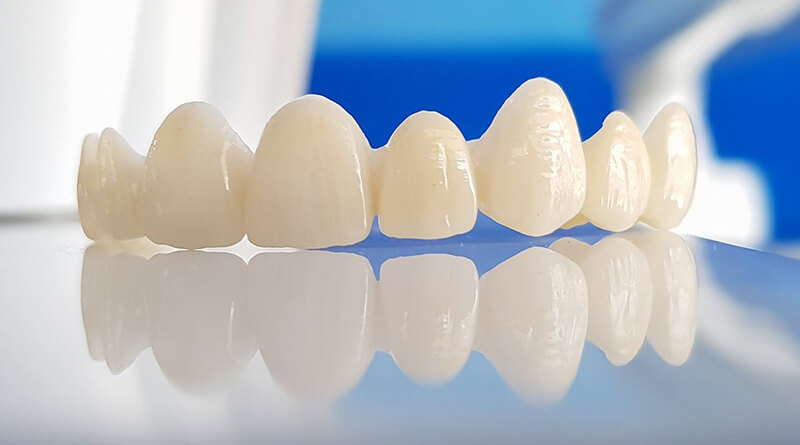
Clear Aligners are designed for patients who want to improve tooth alignment without traditional fixed metal braces.
The aligners are made to fit closely over the teeth and can be removed for eating, drinking and normal oral hygiene.
Depending on your individual case, Clear Aligners may help improve:
Suitability can only be confirmed after a clinical assessment.
Crowding happens when there is insufficient space for teeth to sit in an even position.
Mild or moderate crowding may sometimes be improved using Clear Aligners.
Moving crowded teeth into a better position can improve the appearance of the smile and may also make some areas easier to clean.
Your dentist will assess the degree of crowding before advising whether aligner treatment is appropriate.
Small gaps can develop naturally because of tooth size, tooth position or available space within the dental arch.
For suitable patients, Clear Aligners can gradually move teeth towards a more balanced position.
Larger or more complicated spaces may require a different treatment approach, which will be discussed during your assessment.
Clear Aligners need to be worn consistently for treatment to progress as planned.
Your dentist will explain how long the aligners should normally be worn each day and when to move to the next stage.
They are generally removed for:
Good oral hygiene remains important throughout treatment because the aligners sit closely against the teeth.
There is no single treatment time that applies to every patient.
The duration depends on:
Minor alignment changes may require less time than more involved cases.
Following your assessment, your dentist can provide a more personalised indication of the expected treatment journey.
Most patients can continue normal daily activities while undergoing Clear Aligner treatment.
Because the trays are removable, there are generally fewer restrictions around food compared with fixed braces.
However, successful treatment depends heavily on wearing the aligners as instructed.
Removing them too frequently or leaving them out for extended periods can delay progress.
Straightening your teeth should never come at the expense of your oral health.
We recommend maintaining:
If tooth decay, gum inflammation or another oral health concern develops, it should be assessed promptly.

Your treatment is planned around your current tooth position and the changes you would like to achieve.
1. Consultation and Assessment
Your dentist examines your teeth, gums and bite and discusses what you would like to change.
2. Treatment Planning
If Clear Aligners are suitable, the movement of your teeth is carefully planned before treatment begins.
3. Your Aligners
You receive a sequence of aligners designed to move your teeth gradually.
4. Progress Reviews
Regular appointments allow your dentist to monitor your tooth movement and treatment progress.
5. Maintaining Your New Smile
Once active treatment is complete, retention may be recommended to help maintain the new tooth position.
Clear Aligners can fit conveniently into everyday life because they are:
Nearly Invisible
The transparent trays are much less noticeable than conventional metal braces.
Removable
You can remove your aligners when eating and when brushing or flossing your teeth.
Individually Planned
Treatment is based on your own teeth, bite and desired outcome rather than a one-size-fits-all approach.
Easy to Keep Clean
Because the trays are removable, patients can continue normal brushing and interdental cleaning.
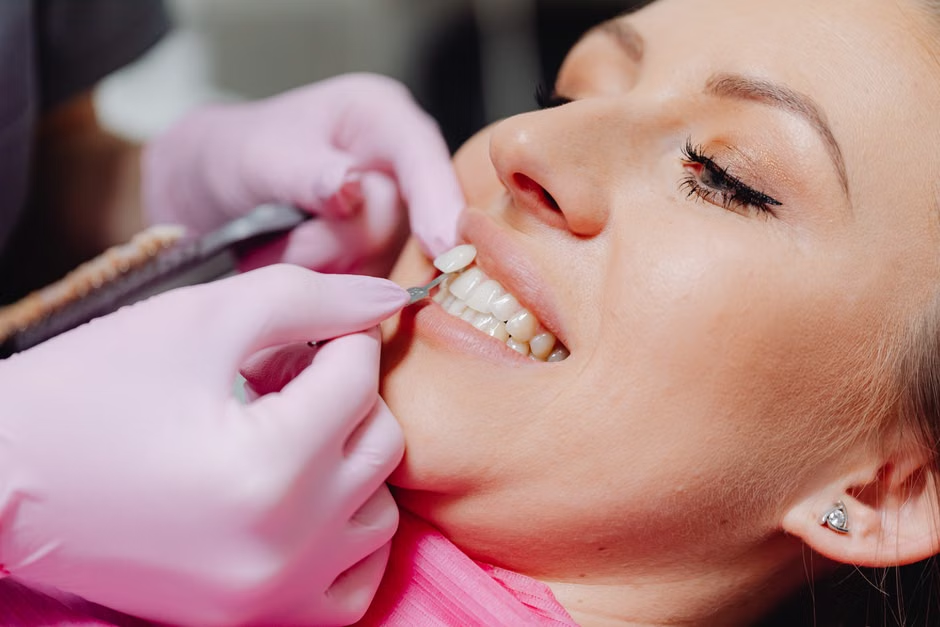

Some patients are happy once their teeth have been aligned.
Others may later wish to discuss treatments such as:
These treatments should not automatically be combined.
Your dentist can discuss whether any additional cosmetic treatment is appropriate after assessing your teeth and your desired result.
West Hampstead Medical Dental Spa provides Clear Aligner consultations from our private dental practice in West Hampstead, London NW6.
Our clinic is located opposite West Hampstead Thameslink Station, making appointments convenient for patients travelling from:
The practice is open 7 days a week.
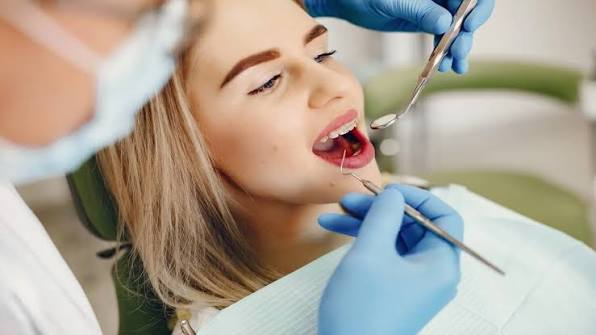
Clear Aligner treatment involves moving teeth and should begin with a proper assessment of your dental health.
At West Hampstead Medical Dental Spa, we look beyond the appearance of the front teeth.
Your assessment considers the health of your teeth and gums, your bite and whether the planned tooth movement is appropriate.
This helps create a treatment plan based on your individual dental condition rather than appearance alone.
Both are used to move teeth, but Clear Aligners use removable transparent trays rather than fixed brackets and wires.
They can improve many mild and moderate crowding cases, although suitability depends on the individual position of the teeth and bite.
Aligners are normally removed before eating. Your dentist will explain how to use and care for them during treatment.
The trays are transparent and designed to fit closely over the teeth, making them less noticeable than traditional metal braces.
Patients may notice temporary pressure or tightness when beginning a new aligner because the teeth are being gradually moved.
Review appointments are needed during treatment so your dentist can check that tooth movement is progressing appropriately.
A dental assessment is important because active decay, gum disease or other oral health problems may need treatment before orthodontic tooth movement begins.
Teeth can naturally move over time. Retention may therefore be recommended following treatment to help maintain the new position.