What is a Swiss Denture?
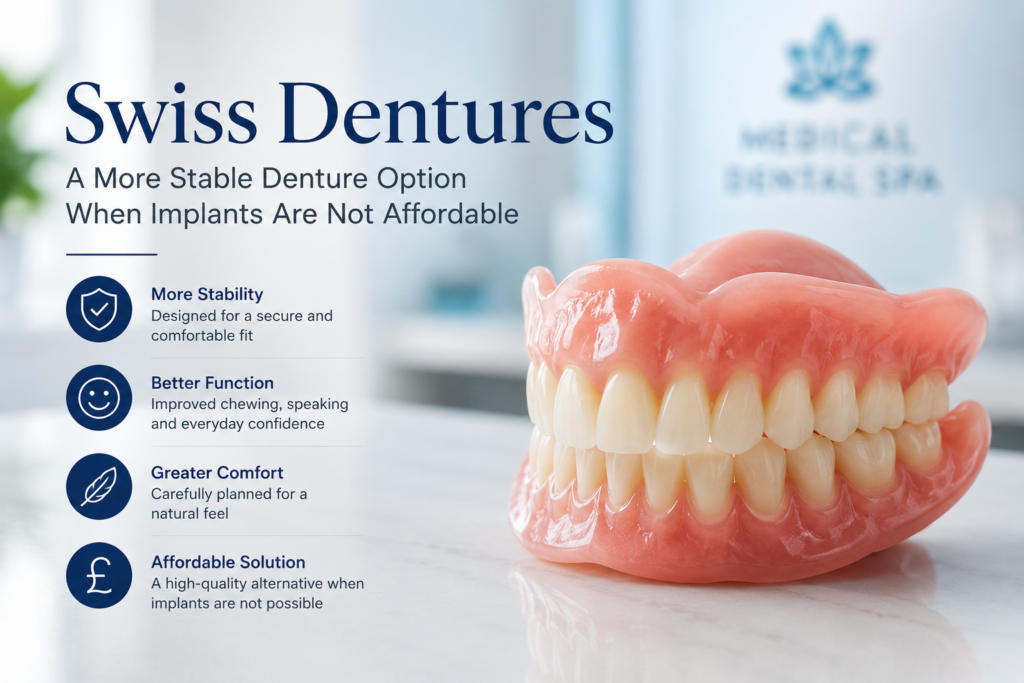
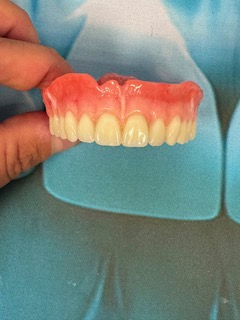
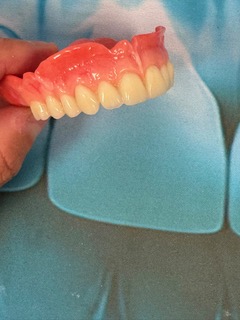
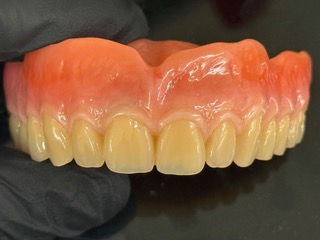
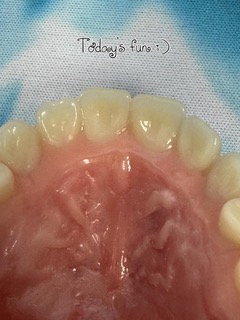
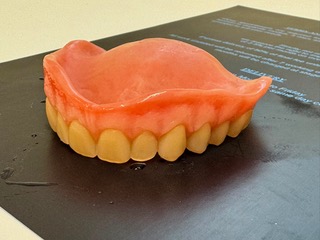
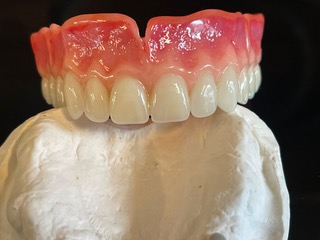
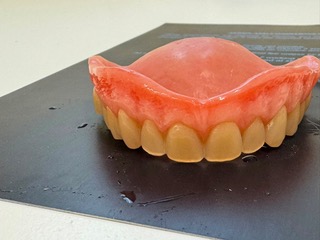
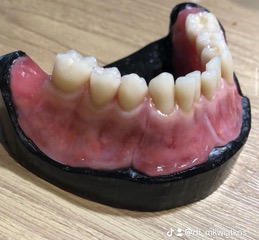
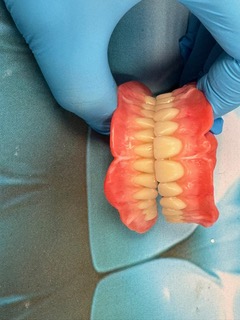
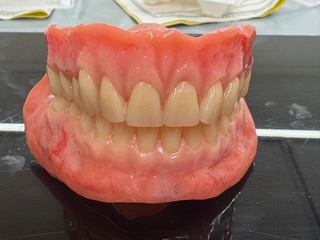
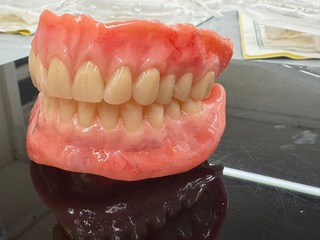
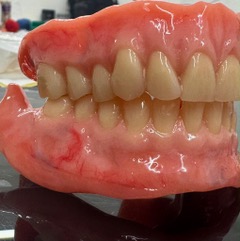
A Swiss denture is a high-quality complete denture designed using principles linked to the Swiss prosthetic concept developed by Professor Albert Gerber. In simple terms, this type of denture is not made as a basic “set of teeth in acrylic”. It is planned with much more attention to how your jaw moves, how your bite works, and how the denture behaves when you chew.
The aim is to create a removable denture that is:
- more stable,
- more comfortable,
- more functional,
- more natural-looking,
- and better balanced during chewing.
This does not mean it becomes the same as natural teeth or fixed implant teeth. It is still a removable denture. However, for the right patient, it can be a significant improvement compared with a standard full denture.
Why Traditional Dentures Sometimes Don’t Meet Expectations
If you wear a full denture and you find it difficult to bite into an apple, chew steak, eat crusty bread, or enjoy harder foods with confidence, you are not alone.
Many patients tell us the same thing:
“My denture looks fine, but I still don’t feel comfortable eating properly.”
This is an important point. A denture is not only about replacing missing teeth. It should also help you chew, speak, smile, and live your normal life with more confidence. At Medical Dental Spa, we often meet patients who already wear complete dentures but feel disappointed because the denture moves, rocks, rubs, or simply does not give them the chewing power they hoped for. Some patients have looked into All-on-4 or All-on-6 dental implants, but the cost of full implant treatment is not always possible.
In these situations, a carefully planned Swiss denture, also known as a Gerber denture or denture made according to the Gerber concept, may be worth considering.
Why do ordinary dentures sometimes move when eating?
A complete denture rests on the gums and the underlying bone. It does not have tooth roots holding it in place. This is why chewing forces can sometimes cause the denture to lift, tilt, or move.
This is especially noticeable with foods that need a strong bite or a lot of chewing, such as:
- steak
- apples
- nuts
- raw carrots
- chewy meat
- sticky foods
Patients often adapt by avoiding these foods, cutting everything into very small pieces, or chewing only on one side. Over time, this can affect confidence, nutrition, and quality of life. A well-made denture should not only look good in a photograph. It should also support real-life function.
What makes the Gerber concept different?
The Gerber concept focuses strongly on the relationship between the upper and lower denture teeth when you bite and chew. When the teeth are positioned and balanced carefully, the denture is less likely to rock during function. This is particularly important for full dentures, because small changes in the bite can make a big difference to comfort and stability.
With Swiss dentures, we look closely at:
- the support from your jawbone
- the way your jaws meet
- the movement of your lower jaw
- the position of the denture teeth
- the balance of your bite
- your facial appearance
- your speech
- and your expectations around eating
The goal is to create a denture that works with your mouth, rather than simply sitting on top of the gums.
Can Swiss dentures help me eat steak or bite an apple?
This is one of the most common questions patients ask. The honest answer is: possibly, but it depends on your individual mouth, your bone support, your muscles, your bite, and how well you adapt to the denture. Swiss dentures are designed to improve chewing stability. They may help you feel more confident with firmer foods compared with a basic denture. However, no removable denture can give exactly the same biting force as natural teeth or fixed implant teeth.
If you enjoy steak, apples, or harder foods, we would talk about this before treatment. Sometimes small changes make a big difference, such as choosing more tender meat, cutting food into smaller pieces, chewing evenly on both sides, and building up gradually. The most important thing is to be realistic. A Swiss denture can be a better denture solution, but it is not a fixed implant bridge.
What if I cannot afford All-on-4 or All-on-6?
This is a very common and very understandable concern. All-on-4 and All-on-6 implant treatments can be excellent options for patients who want fixed teeth and improved biting strength. However, they involve surgery, implants, laboratory work, and a higher financial investment. Not every patient wants this. Not every patient is medically suitable. And not every patient can afford it. A Swiss denture may be a sensible middle option for patients who want something better than a basic denture but are not ready for full implant treatment.
It can be especially useful if you want:
- a more stable removable denture
- better chewing function
- a more natural smile
- a carefully planned bite
- improved comfort
- and a more affordable alternative to fixed implant teeth
Is a Swiss denture the same as an implant denture?
No. A Swiss denture is usually a removable denture made with advanced prosthetic planning. It does not have to be fixed to implants. An implant-retained denture is different because implants are placed in the jawbone to help hold the denture in place. Both options can be excellent, but they are not the same. During a consultation, we can explain which option is realistic for your mouth, your expectations, and your budget.
Who may benefit from Swiss dentures?
This is a very common and very understandable concern. All-on-4 and All-on-6 implant treatments can be excellent options for patients who want fixed teeth and improved biting strength. However, they involve surgery, implants, laboratory work, and a higher financial investment. Not every patient wants this. Not every patient is medically suitable. And not every patient can afford it. A Swiss denture may be a sensible middle option for patients who want something better than a basic denture but are not ready for full implant treatment.
Swiss dentures may be suitable for patients who:
- wear a full denture but feel it is loose
- struggle to chew properly
- avoid harder foods
- feel embarrassed eating in public
- have sore spots from an unstable denture
- want a more comfortable removable option
- cannot afford All-on-4 or All-on-6
- or want to avoid implant surgery
They may also be considered for patients who have worn dentures for many years and feel that their current denture no longer supports the face or bite properly.
How are Swiss dentures made?
Swiss dentures require careful planning. They are not made in one quick appointment. First, we assess your mouth, gums, jawbone, bite, existing denture, facial support, speech, and chewing concerns. We also listen to what you want to improve. For some patients, the main concern is eating. For others, it is appearance, comfort, or confidence. Next, we take accurate impressions of your mouth. These impressions help us create a model of your gums and jaw shape.
We then record your bite carefully. This stage is very important because the way the upper and lower teeth meet will affect how stable the denture feels when you chew. After that, we usually arrange a trial stage. This is where we check the position of the teeth, the smile, the lip support, the bite, and the overall appearance before the final denture is completed.
Only when the fit, bite, and appearance have been checked do we proceed to the final denture. After fitting, adjustments are often needed. This is normal. A new denture has to settle, and the gums and muscles need time to adapt.
Will it feel comfortable immediately?
Some patients adapt quickly. Others need a little more time. Even a very well-made denture is still a new appliance in the mouth. You may need follow-up appointments to adjust pressure areas, refine the bite, and improve comfort. This is part of proper denture care. A denture should not simply be fitted and forgotten.
Are Swiss dentures worth it?
For the right patient, yes. If your current denture is unstable, uncomfortable, or limiting what you can eat, a more advanced denture design may make a meaningful difference. However, it is important to understand what this treatment can and cannot do.
A Swiss denture may improve stability, comfort, chewing efficiency, and appearance. It may help you feel more confident in everyday life. But it will not behave exactly like natural teeth, and it will not provide the same fixed strength as All-on-4 or All-on-6 implants.
That is why the consultation is so important. We need to assess your mouth properly and explain what is realistic for you.
Frequently asked questions
Are Swiss dentures the same as Gerber dentures?
They are closely related terms. “Swiss denture” is often used to describe a complete denture made using the Gerber concept or Swiss prosthetic principles.
Can they stop my lower denture moving?
They may help improve lower denture stability, especially if the movement is linked to poor bite balance or an old denture design. However, lower dentures are naturally more difficult to stabilise because the tongue, cheeks, and floor of the mouth are constantly moving.
Are they cheaper than All-on-4 or All-on-6?
In most cases, yes. Swiss dentures are usually more affordable than full fixed implant treatment because they do not require the same level of surgery and implant work.
Can I eat normally with them?
Many patients can eat more comfortably with a well-made denture, but “normal eating” depends on the individual case. Hard, sticky, and very chewy foods may still need caution.
Do they look natural?
Yes, they can be designed to look very natural. The shape, shade, position of the teeth, lip support, and smile line are all considered during the planning stage.
How do I know if I am suitable?
You would need a clinical assessment. We need to examine your gums, jawbone, bite, current denture, and expectations before advising whether this is the right option.
Final thoughts from a dentist Kamilla and Maciej
If you wear a complete denture and you are frustrated because you cannot chew comfortably, you do not always have to choose between a basic denture and expensive full implant treatment. There may be a middle option. A Swiss denture made according to the Gerber concept can offer a more carefully planned, stable, and functional removable denture for patients who want better comfort and chewing confidence without the cost of All-on-4 or All-on-6.
It is not a miracle solution, and it is not the same as fixed teeth. But for the right patient, it can be a very sensible and life-improving treatment. If you are struggling with your current denture, we would be happy to assess your mouth, discuss your concerns, and explain which options are suitable for you.