
Wisdom Teeth Removal in West Hampstead | Expert Dentist London
Understanding Wisdom Teeth Removal
Wisdom teeth removal is one of the most common oral surgery procedures performed by dentists and is often recommended when wisdom teeth become impacted, painful, or increase the risk of infection. While some wisdom teeth grow normally and never cause problems, others can lead to swelling, discomfort, damage to neighbouring teeth, or recurring gum infections. In this guide, our experienced team at Medical Dental Spa West Hampstead explains when wisdom teeth removal may be necessary, what the procedure involves, how to recover comfortably, and how early treatment can help protect your long-term oral health.
What Are Wisdom Teeth?
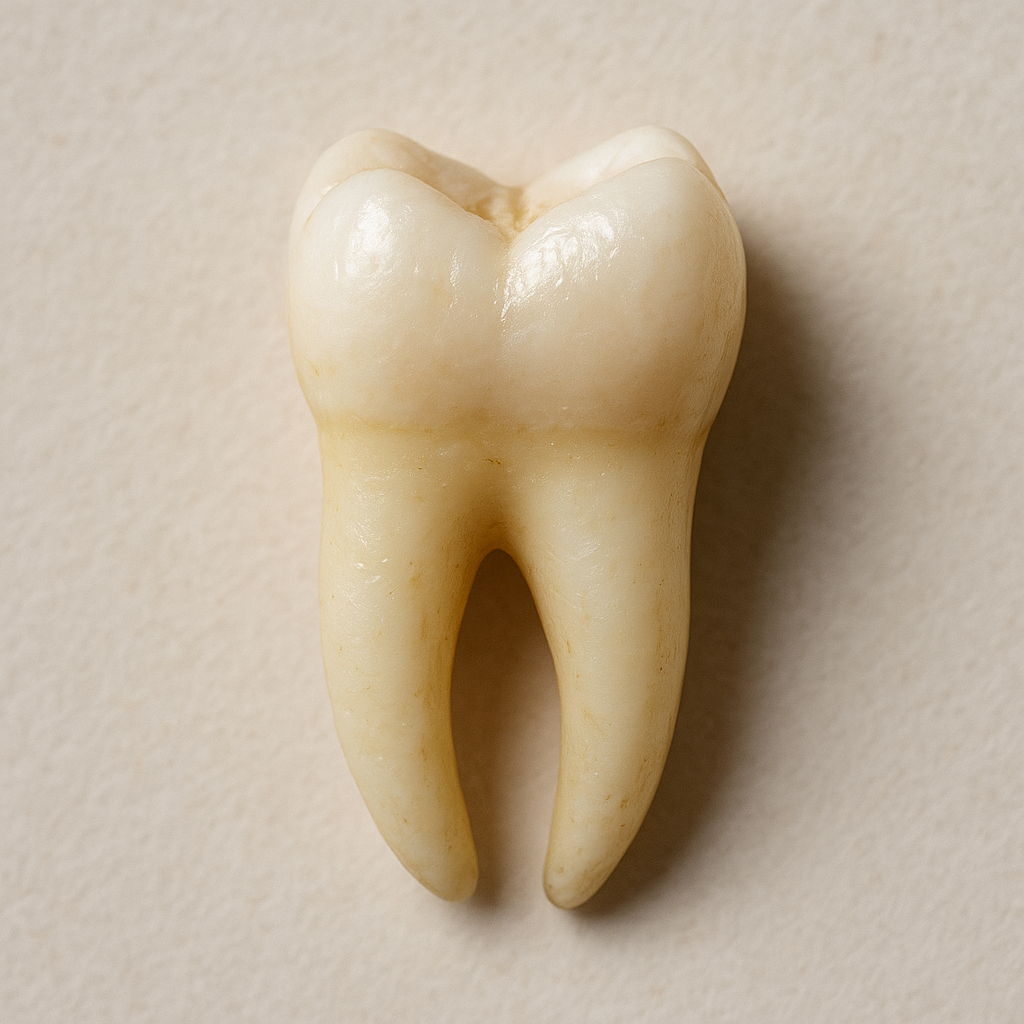
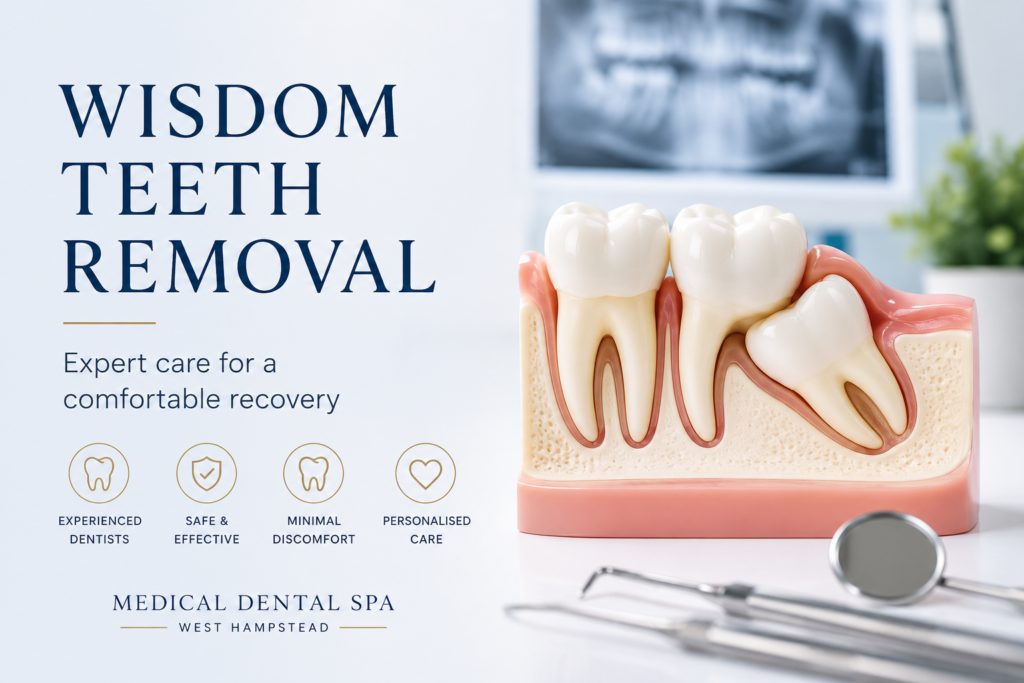
Wisdom teeth, also known as third molars, are the last permanent teeth to develop and usually appear between the ages of 17 and 25. While some people have enough space for them to grow normally, many experience problems because the jaw does not have sufficient room. As a result, wisdom teeth can become partially erupted or impacted, leading to discomfort, swelling, infection, and damage to neighbouring teeth. Not everyone requires wisdom teeth removal, but regular dental examinations and X-rays can help determine whether treatment is necessary before complications develop.
When Should Wisdom Teeth Be Removed?
Wisdom teeth do not always need to be removed. However, extraction is often recommended when they are causing pain, repeated infections, swelling, tooth decay, gum disease, or are pushing against adjacent teeth. Impacted wisdom teeth can also form cysts or make cleaning difficult, increasing the risk of long-term oral health problems. At Medical Dental Spa, our dentists carefully assess each patient’s symptoms and dental X-rays before recommending wisdom tooth removal, ensuring treatment is only carried out when it is genuinely beneficial.
Common Symptoms of Impacted Wisdom Teeth
An impacted wisdom tooth may not always cause immediate pain, but it can still lead to serious dental issues over time. Common symptoms include persistent pain at the back of the mouth, swollen or bleeding gums, jaw stiffness, bad breath, difficulty opening the mouth, or recurring infections around the tooth. Some patients also experience headaches or discomfort that radiates towards the ear. If you notice any of these symptoms, it is important to arrange a dental examination as early diagnosis often prevents more complex treatment later.
The Wisdom Tooth Removal Procedure
Before removing a wisdom tooth, your dentist will carry out a thorough examination, including digital X-rays, to assess the tooth’s position and the surrounding structures. Most wisdom teeth can be removed comfortably under local anaesthetic, ensuring the procedure is as painless as possible. If the tooth is impacted beneath the gum or bone, a small surgical procedure may be required. Throughout the treatment, our experienced team prioritises your comfort, explains every step clearly, and provides detailed aftercare instructions to support a smooth recovery.
Recovery After Wisdom Tooth Extraction
Recovery following wisdom tooth removal is usually straightforward. Most patients experience mild swelling and discomfort for the first few days, which can be managed with prescribed or over-the-counter pain relief, cold compresses, and adequate rest. Eating soft foods, maintaining good oral hygiene, and avoiding smoking or drinking through a straw can help reduce the risk of complications such as dry socket. While many people return to normal activities within a day or two, complete healing of the extraction site may take several weeks. Our team is always available to answer any questions during your recovery.
Why Choose Medical Dental Spa – West Hampstead?
- Comprehensive consultations & 3D scans to assess tooth position
- Gentle, painless extractions in a calm, spa-like environment
- Weekend and emergency appointments, including Saturdays (9am–7pm) & Sundays (10am–7pm)
- Personalised aftercare for a fast and comfortable recovery
Frequently Asked Questions About Wisdom Teeth Removal
Many patients have questions before undergoing wisdom teeth removal, including whether the procedure is painful, how long recovery takes, and when they can return to work or eat normally. We have answered the most common questions below to help you feel informed and confident before your appointment. If you require personalised advice, our experienced dental team will be happy to discuss your treatment options during your consultation.
Ready to Book Your Wisdom Tooth Consultation?
Don’t wait until the pain worsens. Book your consultation with our dentists today:
✨ Book online: Book Now!
📞 Call us: 020 1234 5678
💬 WhatsApp: 07570 303 095
📍 Visit us: Unit 5, 224 Iverson Road, West Hampstead, London NW6 2HL
Frequently Asked Questions
Yes — wisdom teeth can sometimes cause headaches! When these teeth start to push through or grow at awkward angles, they can create pressure and inflammation in your jaw. This tension can spread to nearby muscles and nerves, leading to pain that radiates to your head, temples, or even your neck. If you’ve been getting frequent headaches along with jaw stiffness or gum soreness, your wisdom teeth might be the reason. A quick visit to your dentist can help find out what’s going on and get you relief fast.

No — once your wisdom teeth are removed, they don’t grow back. Humans only get one set of adult teeth, so after extraction, that’s it! However, some people might feel like a tooth is “coming back” because of swelling, gum irritation, or small bone fragments (called spicules) that can appear during healing. These usually go away on their own or can be easily treated by your dentist.
Not really — wisdom tooth removal sounds scarier than it feels! We use modern anaesthesia and gentle techniques for a comfortable procedure. You might feel a bit of pressure, but it shouldn’t hurt. After the numbness wears off, it’s normal to have some soreness or swelling for a few days, but painkillers and gentle aftercare usually keep you comfortable.
The cost of wisdom tooth removal in London can vary, depending on complexity, how impacted the tooth is, whether surgery is needed, but we provide transparent prices after consultation.
to check our treatment fees, click Here!

Recovery from wisdom tooth removal usually takes about a week or two, depending on how complex the extraction was. Most patients start feeling much better after just a few days! During the first 24–48 hours, you might notice some swelling or mild discomfort. Our dentist will give you aftercare tips, like resting, avoiding hot foods, and rinsing gently with salt water. Full healing of the gum and bone can take a few weeks, but you’ll be back to feeling yourself before you know it!